
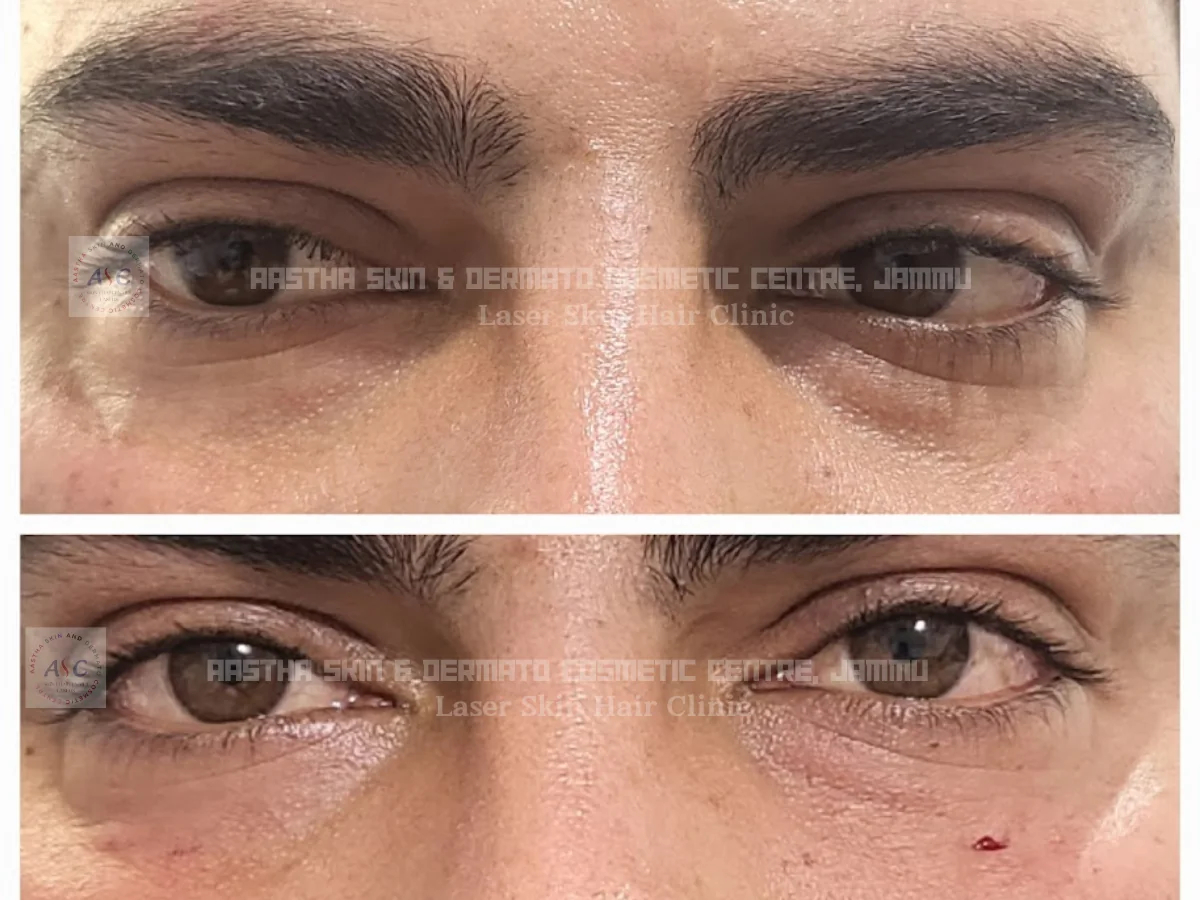
Dermatologist-led injectable treatments planned around facial anatomy
Consult Dr. Cheena Langer, MBBS, MD Dermatology, Consultant Dermatologist, for personalised botulinum toxin and dermal filler treatment at Aastha Skin & Dermato-Cosmetic Centre in Jammu.
Botulinum toxin and dermal fillers are different treatments. Botulinum toxin temporarily relaxes selected muscles, while dermal fillers add or restore volume in carefully assessed areas.
Botulinum toxin treatment and dermal fillers are available at both Karan Nagar and Paloura.
What is botulinum toxin treatment?
Botulinum toxin is a prescription injectable medicine that temporarily reduces activity in selected muscles.
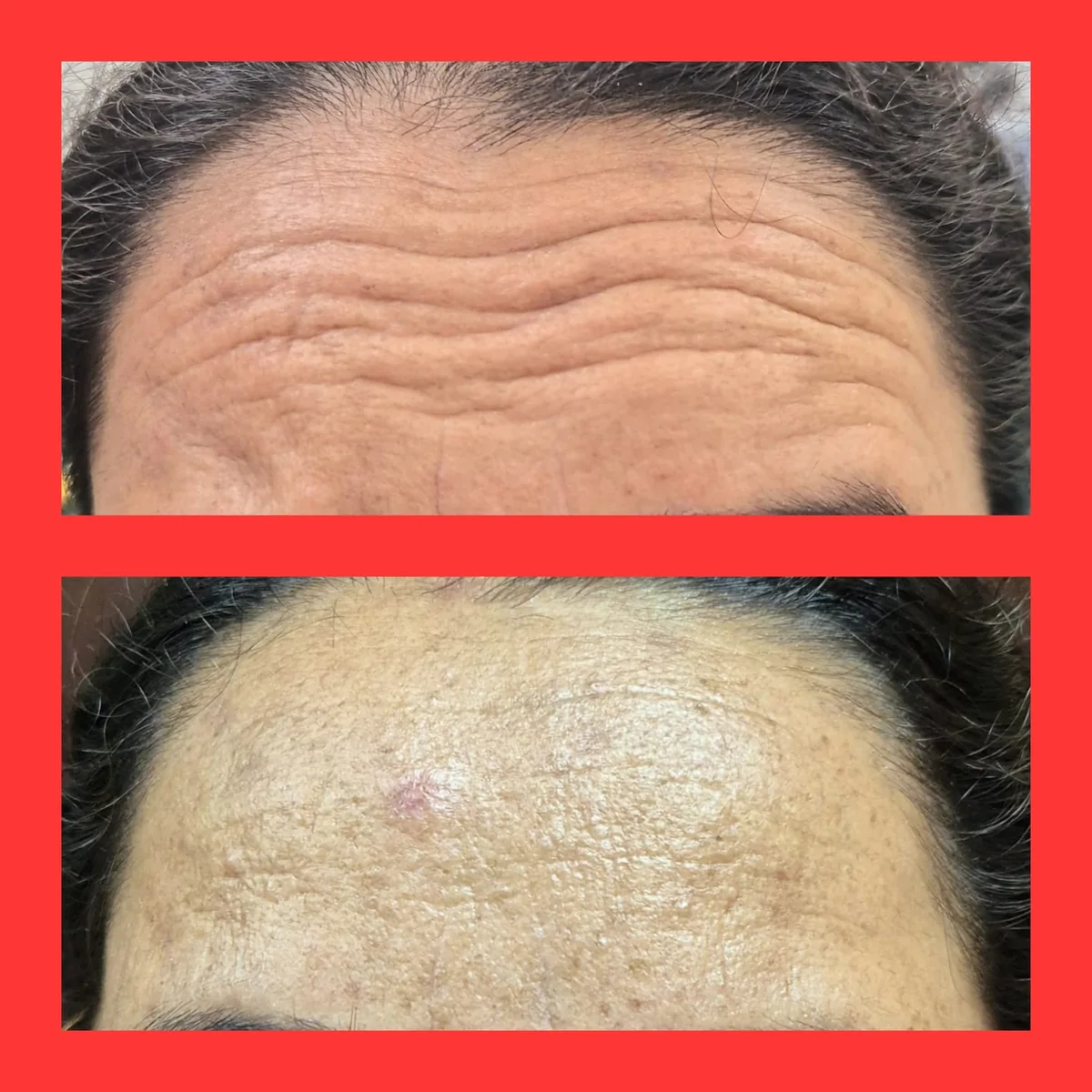
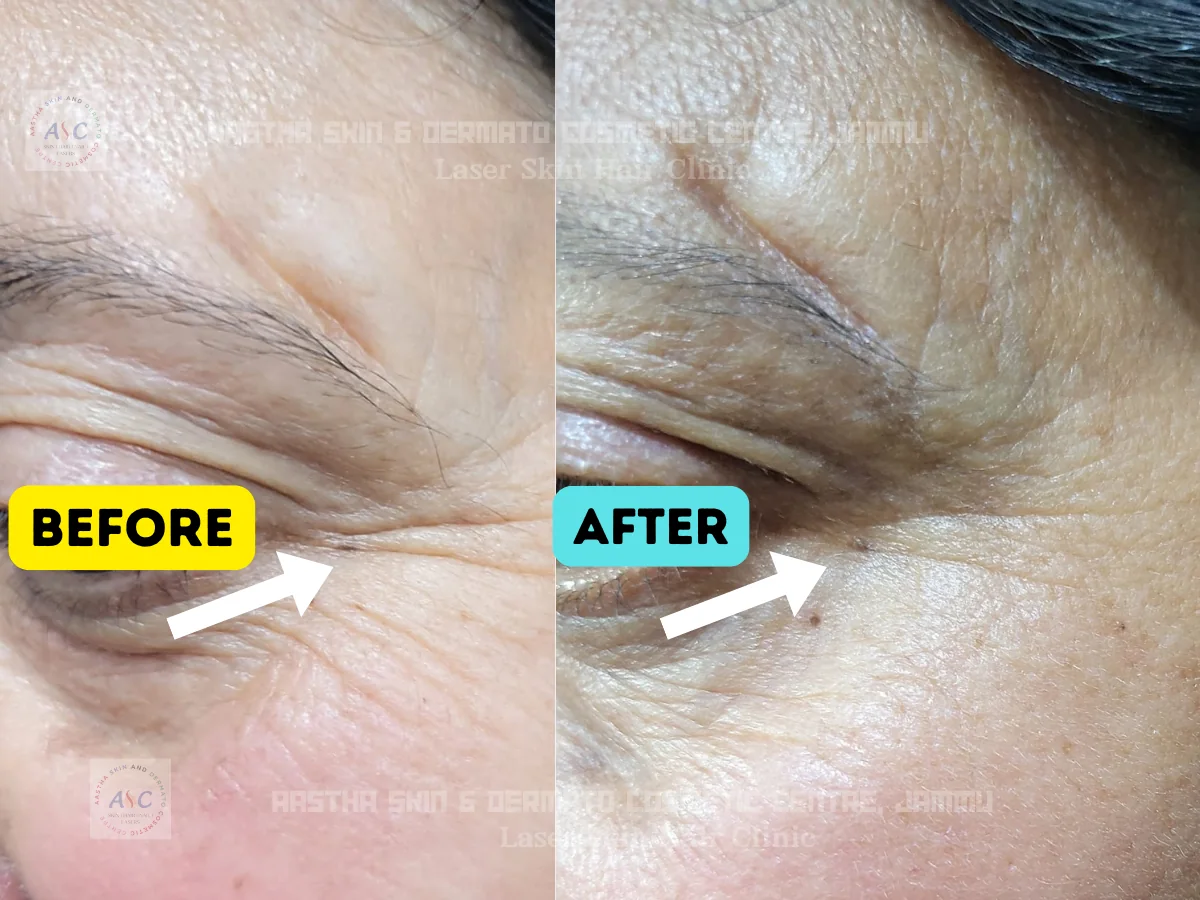
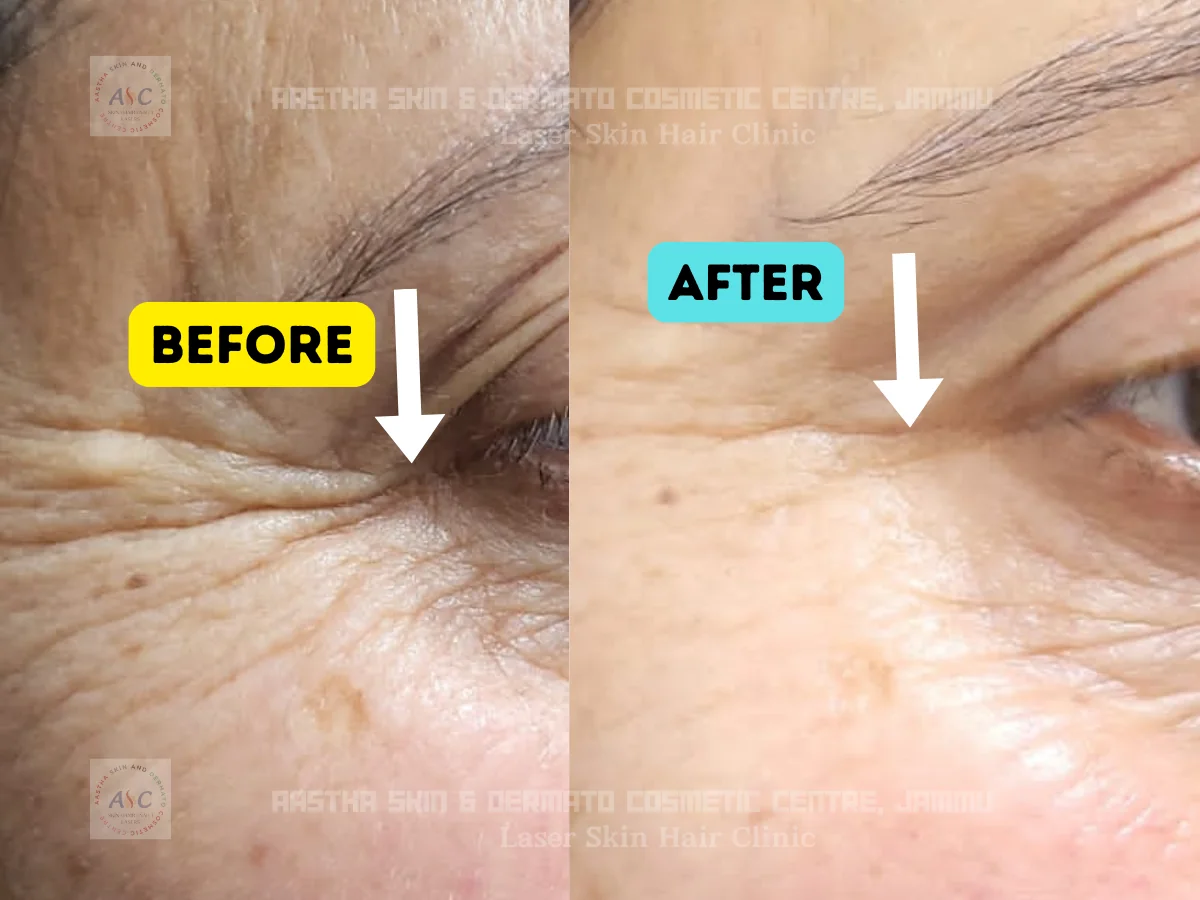
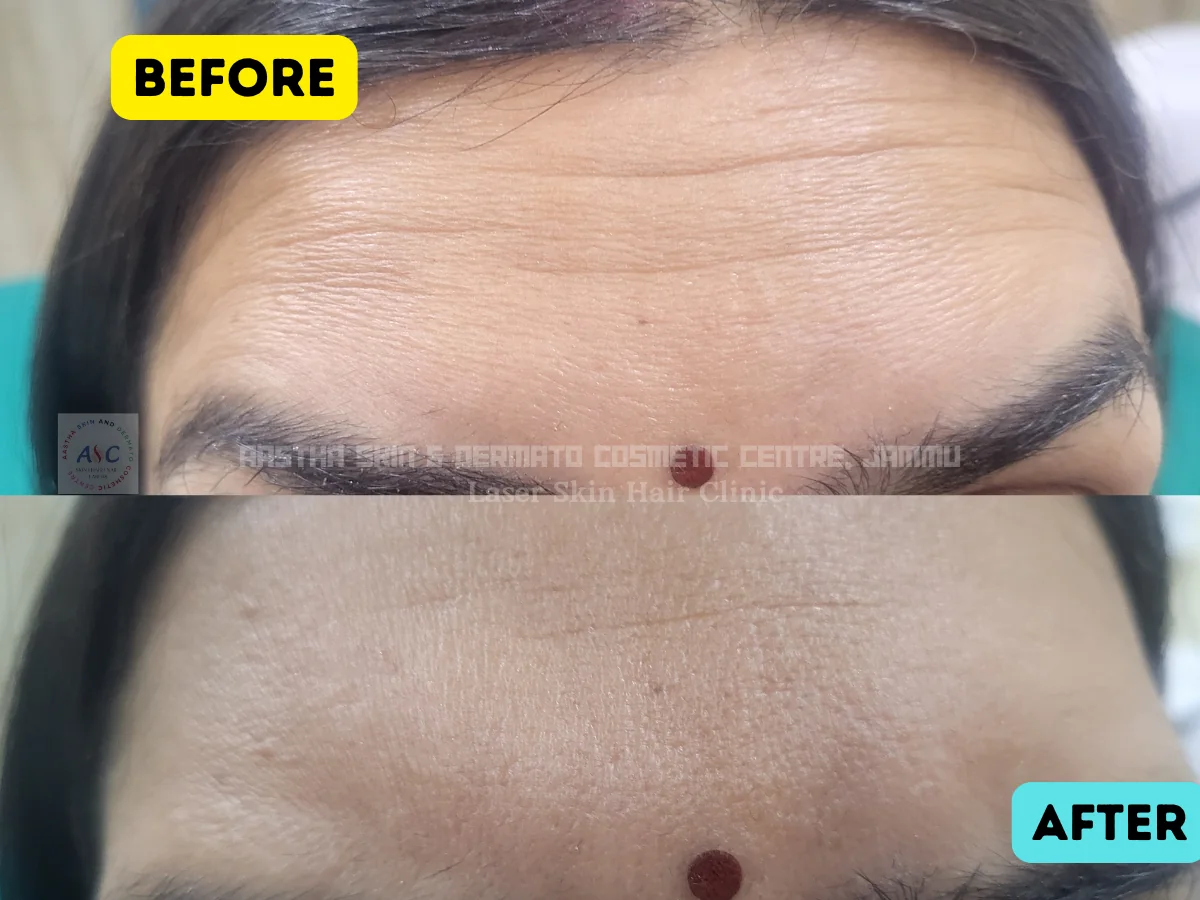
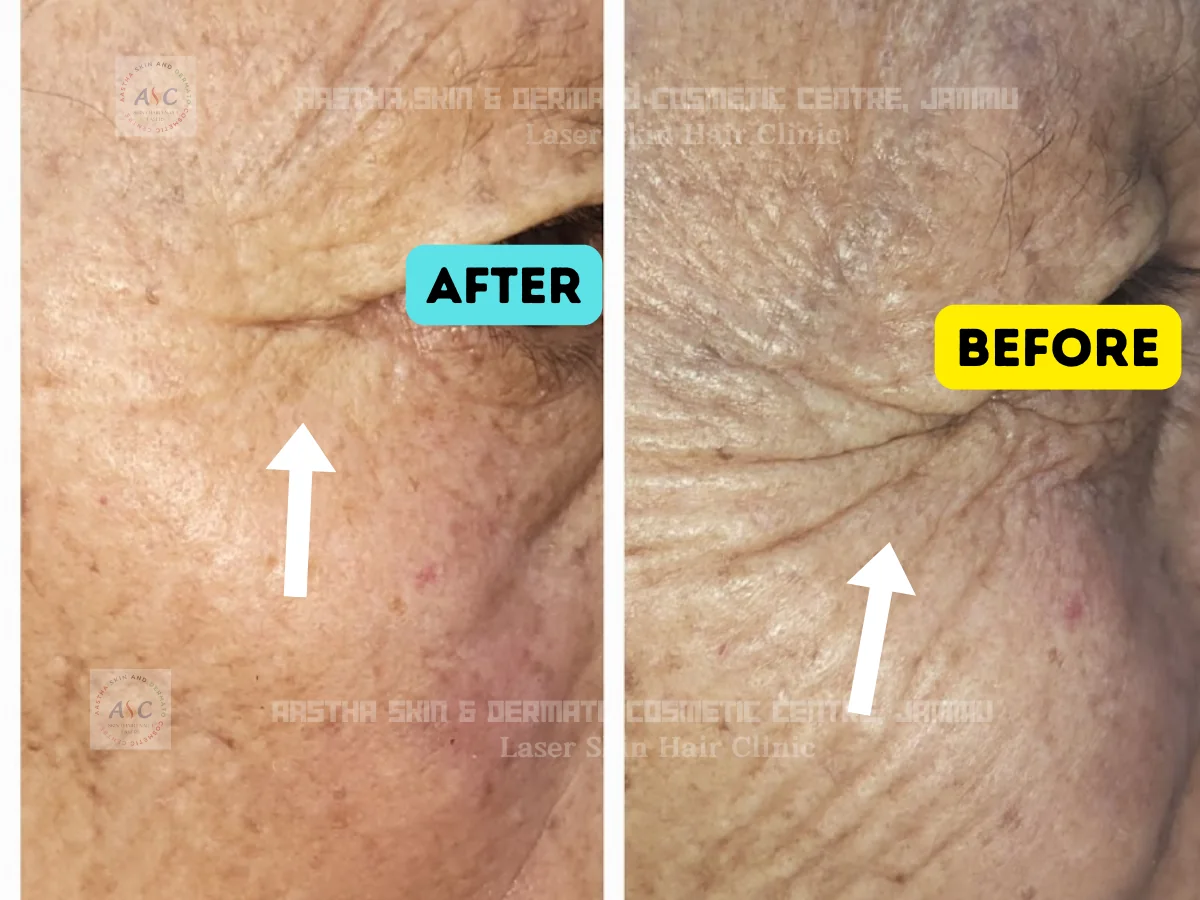
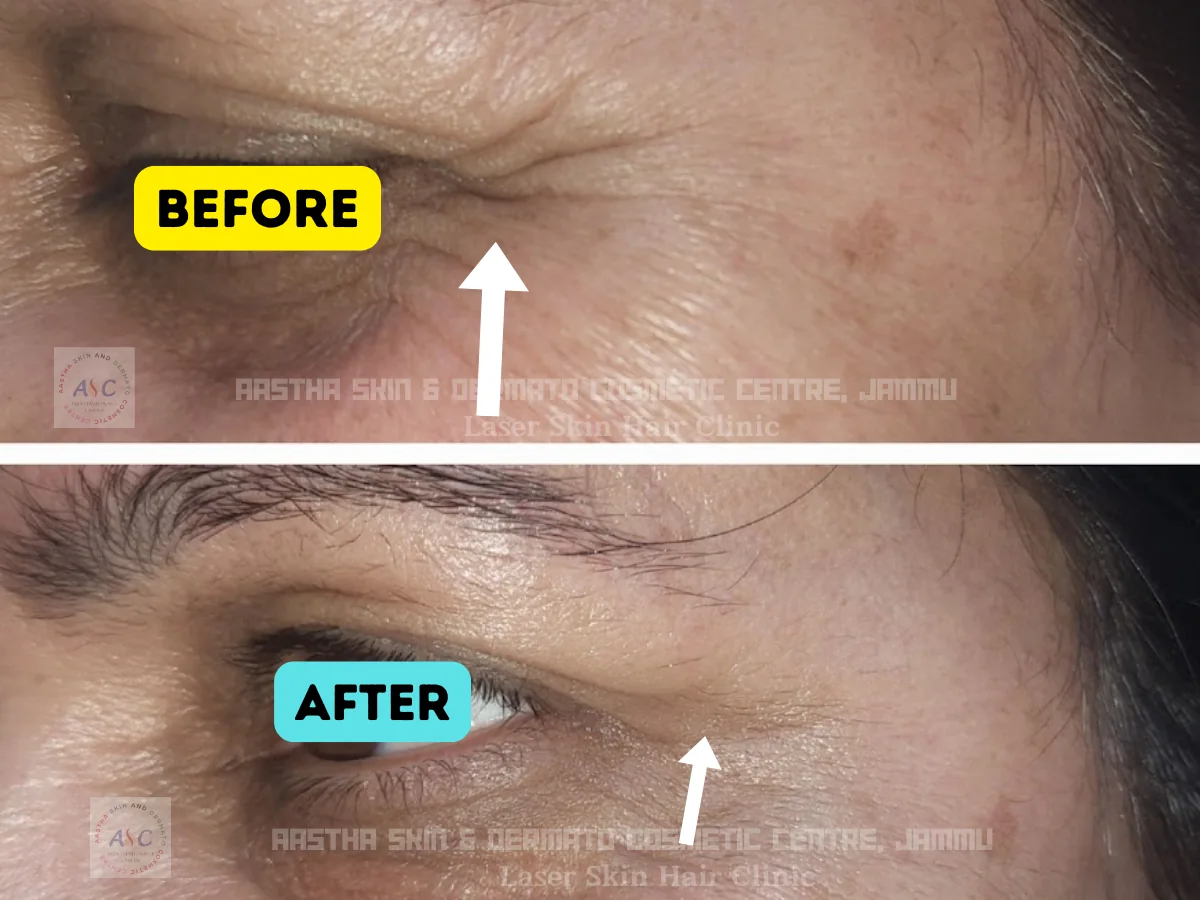
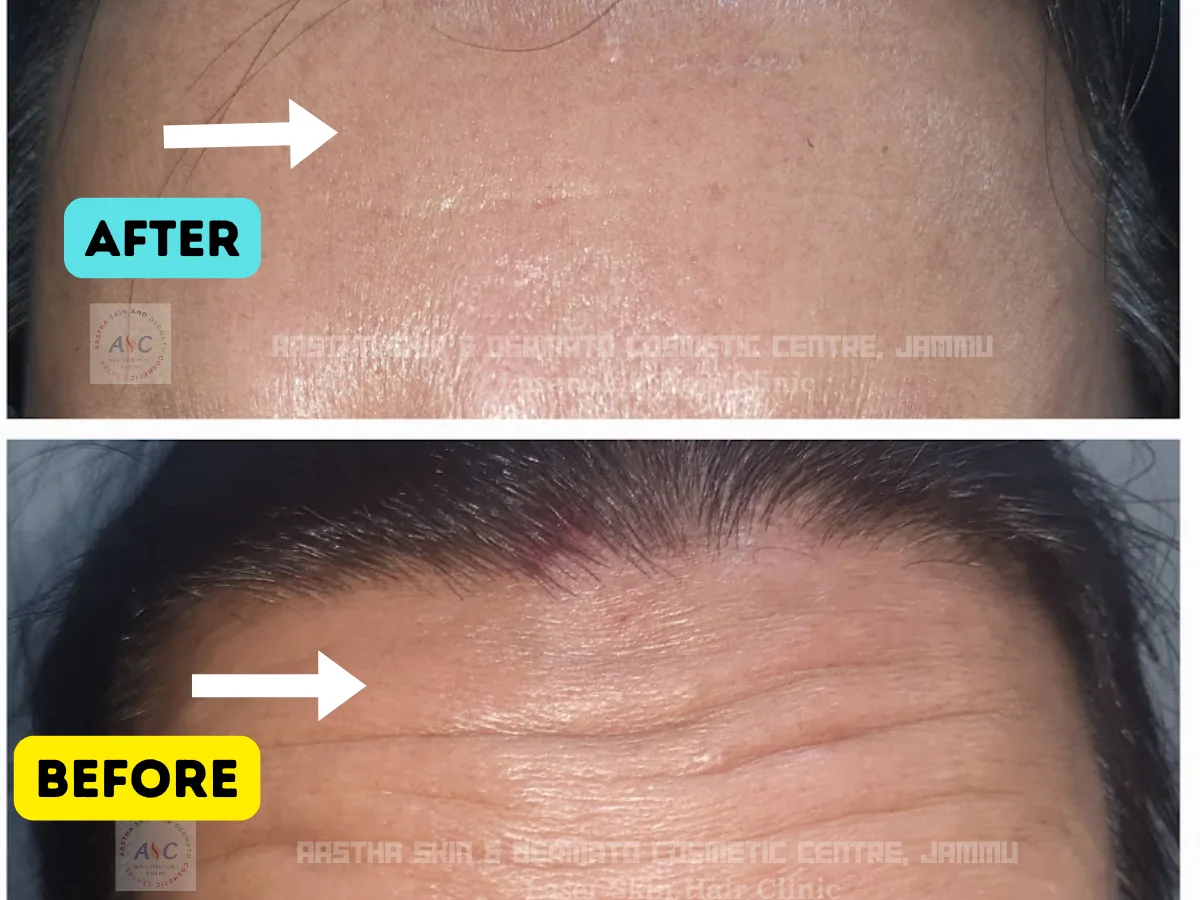
In cosmetic dermatology, it may soften dynamic lines, lines that become more visible when a person frowns, smiles or raises the eyebrows. The aim is controlled relaxation rather than freezing every facial movement.
Commonly assessed concerns include:
- Frown lines between the eyebrows
- Forehead expression lines
- Crow’s-feet around the eyes
- Selected lower-face muscle concerns
- Facial asymmetry related to muscle activity
The exact treatment area, dose and injection points depend on facial anatomy, muscle strength and the patient’s desired degree of correction.
What is the difference between Botox and fillers?
“Botox” is a widely used brand name for one type of botulinum toxin. Botulinum toxin products and dermal fillers work differently.
How does Dr. Cheena Langer assess the face?
An injectable consultation may include:
- Reviewing the patient’s main concern
- Examining the face at rest and during movement
- Assessing symmetry and proportions
- Reviewing previous fillers or botulinum toxin
- Checking the skin for acne, infection or inflammation
- Reviewing medicines and medical history
- Discussing the desired amount of change
- Explaining alternative treatment options
- Discussing benefits, limitations and risks
- Preparing a staged treatment plan
The American Academy of Dermatology recommends a medical consultation before botulinum toxin treatment, including review of medicines, supplements, previous procedures, pregnancy plans and individual complication risk.
What happens during botulinum toxin treatment?
A typical appointment may involve:
- Reviewing the agreed treatment plan
- Cleaning the skin
- Marking selected muscle points
- Injecting small amounts with a fine needle
- Providing post-treatment instructions
The procedure is generally completed during a clinic visit. Most patients can return to routine activities shortly afterwards, although specific aftercare instructions should be followed.
What happens during dermal filler treatment?
A filler appointment may include:
- Confirming the treatment area and product
- Reviewing risks and consent
- Cleaning the skin
- Applying anaesthesia where appropriate
- Injecting filler using a needle or cannula
- Assessing symmetry and tissue response
- Providing aftercare and emergency instructions
Dermal filler injection is a medical procedure. The FDA advises patients to choose a licensed healthcare professional trained and experienced in filler injection and to discuss the product and treatment site before proceeding.
Types, options and detailed guidance
What are dermal fillers?
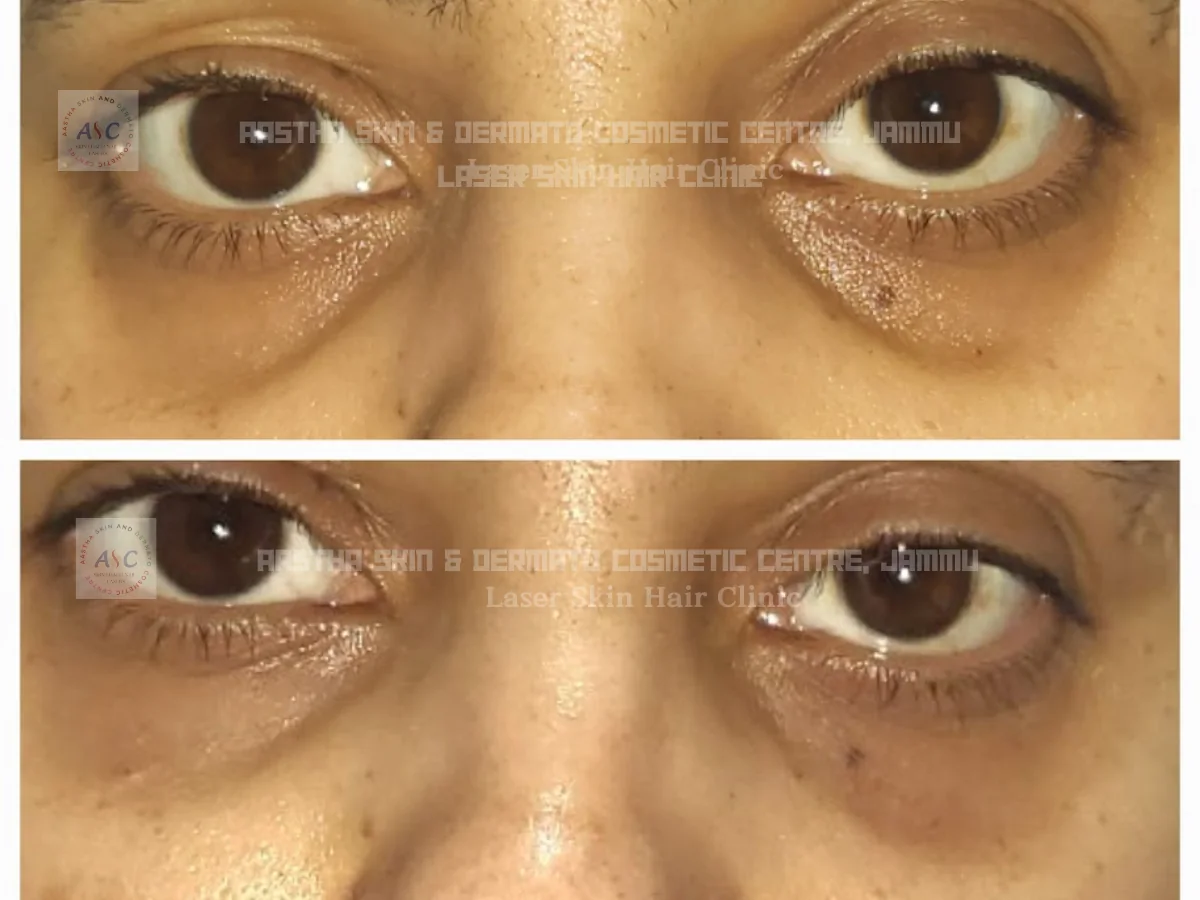
Dermal fillers are injectable materials used to support or restore volume in selected facial areas.
Many commonly used fillers are temporary and gradually absorbed by the body. How long the effect lasts depends on the material, treatment area, tissue structure and amount used.
Dermal fillers may be considered for selected concerns involving:
- Cheek volume
- Chin projection or balance
- Lip volume or definition
- Nasolabial folds
- Facial contour
- Selected depressed scars
- Age-related volume changes
A filler consultation should assess the entire face rather than treating one line or feature in isolation.
Botulinum toxin
- Acts on selected muscles
- Mainly treats movement-related lines
- Does not add facial volume
- Has a temporary effect
- Usually begins showing an effect within several days
Dermal fillers
- Add or restore volume
- Support selected contours or folds
- Do not relax facial muscles
- Have a duration that varies by product and area
- May produce an immediately visible volume change, followed by settling
Some patients may be suitable for one treatment, both treatments or neither. Combination treatment should be planned only after medical assessment.
Who may consider botulinum toxin treatment?
Botulinum toxin may be considered by adults who are concerned about expression lines and want a temporary, non-surgical treatment.
Suitability depends on:
- Facial muscle activity
- Existing asymmetry
- Skin condition
- Age and general health
- Previous injectable treatment
- Medicines
- Pregnancy or breastfeeding
- Desired facial movement
- Realistic expectations
Treatment should be individualised. The same dose and injection map should not be used automatically for every face.
Who may consider dermal fillers?
Dermal fillers may be considered when a patient has suitable facial-volume or contour concerns.
The consultation may assess:
- Facial proportions
- Bone structure
- Soft-tissue volume
- Skin quality
- Lip shape
- Chin and jaw balance
- Previous filler
- Facial movement
- Medical and dental history
- Risk factors for complications
Fillers are not appropriate merely because a patient wants to copy another person’s face or a filtered photograph.
What results can botulinum toxin provide?
Botulinum toxin may gradually soften selected movement-related lines while preserving natural facial expression when treatment is appropriately planned.
The AAD reports that cosmetic effects commonly begin to appear within approximately three to seven days and often last around three to four months, although timing varies between patients and treatment areas.
Possible benefits may include:
- Softer frown lines
- Reduced forehead creasing
- Less prominent crow’s-feet
- A more rested appearance
- Prevention of repeated deep folding while the treatment remains active
It does not permanently stop ageing or remove every line.
How long do dermal fillers last?
Filler duration varies according to:
- Product material
- Facial area
- Amount injected
- Facial movement
- Metabolism
- Tissue structure
- Previous treatment
- Individual response
Many fillers are gradually absorbed, so repeat treatment may be needed to maintain the effect. A longer duration is not automatically better; product selection should prioritise suitability and safety.
Facial anatomy is assessed first
The treatment is based on muscle movement, tissue volume and facial balance, not a standard number of injections for every patient.
Conservative, personalised planning
The aim is an appropriate degree of correction while preserving natural features and expression.
Professional engagement with botulinum toxin
Dr. Cheena Langer’s professional CV lists her as a speaker for “Botox Beyond Wrinkles” at MIDDERMACON 2025.
Two Jammu locations
Botulinum toxin treatment and dermal fillers are recorded as available at both Karan Nagar and Paloura.
Safety-focused counselling
Patients are informed about product choice, expected duration, aftercare, limitations and warning signs.
Additional care and practical advice
How care is planned
- Assessment comes before treatment selection.
- Options, limitations, aftercare and expected timelines are explained.
- The plan is adapted to diagnosis, skin type and medical history.
Choose a clinic in Jammu
Karan Nagar
Lane 2, Karan Nagar, near Amphalla Chowk, Jammu – 180005Doctor consultation:
Mon–Sat 11:00 AM–4:00 PM
Sun 11:00 AM–3:00 PM
Paloura Chowk
Top Paloura, opposite Government Senior Secondary School, Jammu – 181121Doctor consultation:
Mon–Sat 6:00 PM–8:00 PM
Sun 10:30 AM–12:00 PM
Frequently asked questions
Is injectable treatment painful?
Most patients experience temporary pinprick discomfort, pressure or a stinging sensation.
Comfort depends on:
- Treatment area
- Number of injection points
- Product formulation
- Anaesthesia used
- Individual sensitivity
- Injection technique
Some filler products contain local anaesthetic, and additional topical or local anaesthesia may be used when appropriate.
The website should not promise that injections are completely painless.
What are the common side effects of botulinum toxin?
Temporary effects can include:
- Redness
- Swelling
- Tenderness
- Bruising
- Mild headache
- Temporary asymmetry
Less commonly, nearby muscles may be affected, causing temporary eyelid or eyebrow drooping or unwanted weakness. Very rare symptoms can include difficulty speaking, swallowing or breathing and require urgent medical attention.
What are the risks of dermal fillers?
Common temporary effects include:
- Swelling
- Bruising
- Redness
- Tenderness
- Itching
- Temporary lumpiness
Less common complications can include:
- Infection
- Delayed inflammation
- Persistent nodules
- Allergic reaction
- Filler movement
- Open or draining wounds
A rare but serious complication can occur when filler unintentionally enters or compresses a blood vessel. This may cause tissue damage, vision problems, blindness or stroke.
Which symptoms after filler require urgent care?
Seek immediate medical assessment for:
- Unusual or increasing pain
- Sudden vision change
- Loss of vision
- White, grey, blue or mottled skin near the injection
- Severe headache
- Facial weakness
- Difficulty speaking
- Weakness or numbness
- Confusion
- Difficulty walking
The FDA specifically advises immediate medical care for unusual pain, visual changes, discoloured skin near the treatment area or signs of stroke during or shortly after filler treatment.
Patients should receive clear emergency contact and hospital instructions before leaving the clinic.
Who should postpone injectable treatment?
Treatment may need to be postponed or avoided when there is:
- Active acne or inflamed cysts at the injection site
- Skin infection
- Herpes outbreak
- Significant facial rash
- Recent dental infection or procedure, depending on the plan
- Fever or acute illness
- Known allergy to the intended product
- Bleeding disorder
- Uncontrolled medical illness
- Pregnancy or breastfeeding
- Unrealistic expectations
Safety information for fillers during pregnancy and breastfeeding is limited, and cosmetic botulinum toxin treatment is generally avoided during pregnancy or lactation.
What medicines should patients disclose?
Tell Dr. Cheena Langer about:
- Blood-thinning medicines
- Aspirin and pain relievers
- Supplements
- Herbal products
- Antibiotics
- Muscle-relaxing medicines
- Previous botulinum toxin
- Previous fillers
- Recent laser or cosmetic procedures
- History of allergy or anaphylaxis
Do not stop a prescribed medicine independently. Medical review determines whether any adjustment is appropriate.
Should fillers be purchased online or self-injected?
No.
Patients should never:
- Purchase injectable filler for home use
- Inject themselves
- Attend a filler party
- Use needle-free filler pens
- Accept an unidentified product
- Receive treatment in a salon or home setting
The FDA warns that products sold directly to consumers may be counterfeit, contaminated or unsuitable. Needle-free filler devices are also associated with serious risks and are not considered a safe substitute for professional injection.
Get a clear plan for botulinum toxin & dermal fillers
Request a consultation with Dr. Cheena Langer at Karan Nagar or Paloura Chowk.
Medical disclaimer: Results may vary from person to person. This content is for informational purposes only and does not substitute a consultation with a qualified medical professional. Dr. Cheena Langer, MD is a registered medical practitioner.