
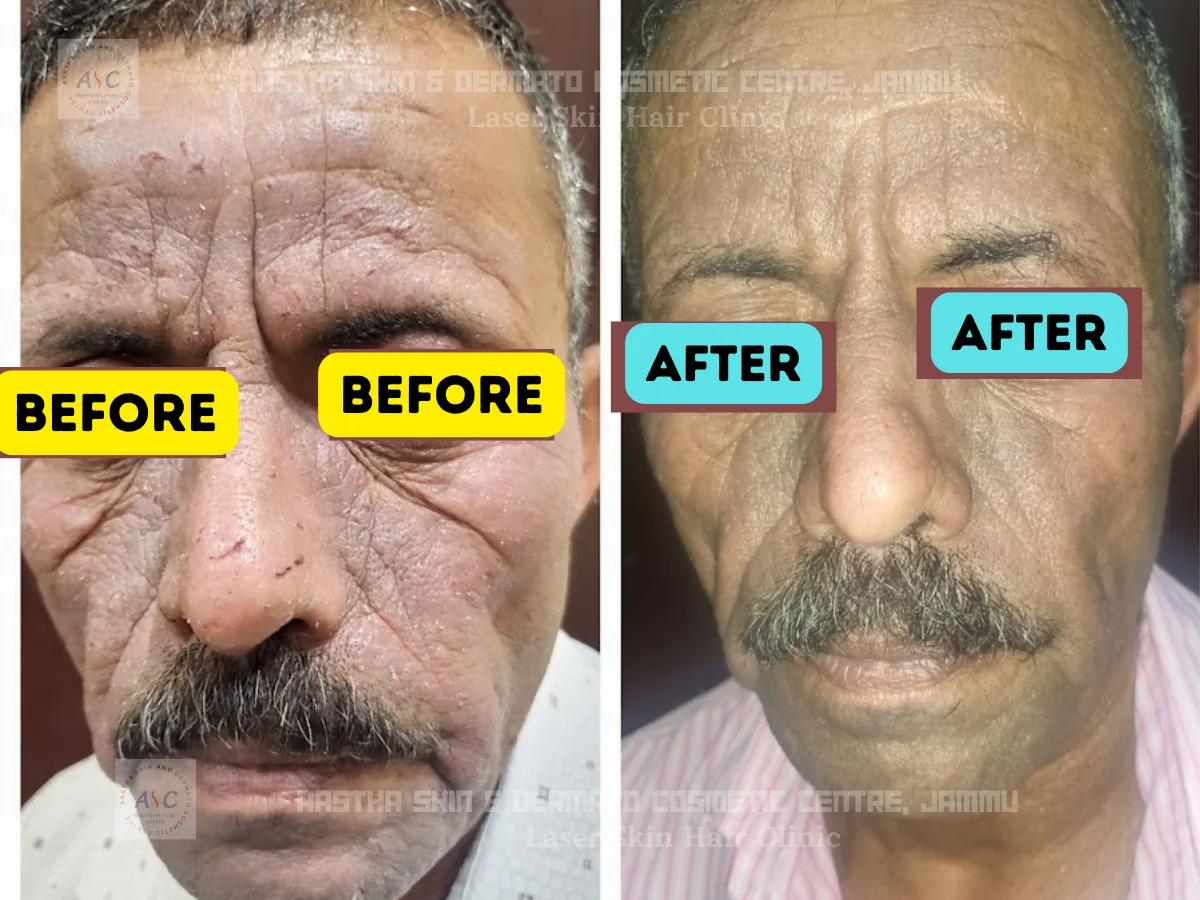
What is contact dermatitis?
Contact dermatitis is an inflammatory skin reaction caused by direct or indirect exposure to something in the environment.
It may cause:
- Itching
- Burning or stinging
- Dryness
- Swelling
- Blisters
- Oozing
- Crusting
- Scaling
- Painful cracks
- Skin thickening after repeated exposure
The rash often appears on the area that contacts the responsible substance, although allergic contact dermatitis can occasionally spread beyond the original exposure site.
What is irritant contact dermatitis?
Irritant contact dermatitis develops when repeated or intense exposure physically damages the skin.
Common irritants include:
- Soap
- Detergent
- Bleach
- Hand sanitiser
- Disinfectant
- Solvents
- Cement
- Cutting oils
- Cleaning chemicals
- Pesticides
- Repeated contact with water
Even ordinary water can damage the barrier when the hands remain wet or are washed repeatedly throughout the day. Symptoms may begin immediately after a strong exposure or build gradually after repeated weaker exposure.
What is allergic contact dermatitis?
Allergic contact dermatitis is a delayed immune reaction to a substance that the skin has become sensitised to.
The rash may develop hours or days after exposure, which can make the cause difficult to recognise. A person can also become allergic to a product after using it safely for months or years.
Common allergens include:
- Nickel and other metals
- Fragrance
- Preservatives
- Hair-dye chemicals
- Rubber additives
- Adhesives
- Acrylates
- Plant allergens
- Topical antibiotics
- Ingredients in cosmetics and skincare
What causes hand contact dermatitis?
Hand dermatitis is commonly associated with:
- Repeated handwashing
- Wet work
- Soap and sanitiser
- Cleaning chemicals
- Gloves
- Cement
- Food handling
- Hairdressing products
- Oils and solvents
- Existing atopic eczema
Wet work and a history of atopic dermatitis are recognised risk factors for occupational irritant contact dermatitis. Healthcare workers, hairdressers and metal workers are among the groups with increased occupational risk.
What causes eyelid contact dermatitis?
Eyelid skin is thin and easily affected.
Possible causes include:
- Eye makeup
- Sunscreen
- Facial skincare
- Fragrance
- Hair dye
- Shampoo
- Nail polish
- Artificial nails
- Eyedrops
- Contact-lens solution
- Metal eyelash curlers
- Airborne plant allergens
The responsible substance may reach the eyelids indirectly through the fingers, hair or airborne particles.
Types, options and detailed guidance
Irritant contact dermatitis
A substance directly injures the skin barrier.
Allergic contact dermatitis
The immune system develops a delayed reaction to a particular allergen after previous sensitisation.
The two conditions can look very similar, and some patients have a mixture of both. Patch testing may be needed when allergic contact dermatitis is suspected.
Is contact dermatitis contagious?
No.
Contact dermatitis cannot spread through:
- Touching
- Sharing towels
- Clothing
- Swimming
- Food
- Sexual contact
- Living in the same household
Several people may develop a similar rash when they are exposed to the same product or chemical, but the rash itself is not contagious.
Is contact dermatitis the same as a food allergy?
No.
Contact dermatitis is usually caused by something that touches the skin. A food allergy is more commonly an immediate reaction after eating or handling a particular food and may cause hives, vomiting, wheezing or anaphylaxis.
Some foods can irritate the hands of chefs and food handlers, while airborne or systemic exposure may rarely worsen dermatitis in a sensitised person. Routine food-allergy testing is not required for every contact rash.
Is contact dermatitis the same as hives?
No.
Contact dermatitis
- Usually lasts for days or longer
- May scale, blister, crack or ooze
- Often follows the distribution of contact
- Can leave temporary pigmentation
Hives
- Form raised, moving wheals
- Usually disappear from one location within 24 hours
- Rarely scale or crack
- May occur with angioedema
What does contact dermatitis look like on Indian skin?
On medium-to-deep Indian skin tones, inflammation may appear:
- Dark brown
- Violet
- Grey
- Dusky
- Darker than the surrounding skin
- Less visibly red
After the active rash settles, post-inflammatory darkening or lightening may remain. Patch-testing reactions can also temporarily leave darker or lighter areas in deeper skin tones.
Why is the location of the rash important?
The rash location can provide clues about the cause.
Examples include:
- Eyelids: cosmetics, nail products, fragrance or hair dye
- Earlobes: earrings or nickel
- Neck: perfume, jewellery or hair products
- Underarms: deodorant, fragrance or preservatives
- Hands: water, detergent, gloves, cement or occupational chemicals
- Feet: footwear, rubber, adhesives or leather chemicals
- Waist: metal buttons, belt buckles or elastic
- Scalp and hairline: hair dye, shampoo or styling products
A substance does not always need to be applied directly to the rash site. Nail products, for example, can be transferred to the eyelids by touching or rubbing the eyes.
Which occupations have a higher risk?
Occupational contact dermatitis is common among people who repeatedly handle water, chemicals, gloves, food or industrial materials.
Higher-risk work includes:
- Healthcare
- Hairdressing and beauty services
- Nail salons
- Cleaning
- Food preparation
- Construction
- Mechanics
- Manufacturing
- Agriculture
- Floristry
- Dental work
- Laboratory work
Occupational skin disease is best prevented by eliminating or substituting the responsible exposure where possible, followed by engineering controls, training and appropriate protective equipment.
Can gloves cause dermatitis?
Yes.
Gloves can contribute through:
- Sweating and prolonged occlusion
- Powder
- Rubber accelerators
- Latex proteins
- Cleaning chemicals trapped inside
- Incorrect glove material
- Wearing gloves over wet hands
Some patients need a different glove material or cotton liners rather than simply wearing gloves for longer periods. Protective equipment should be chosen according to the chemical being handled.
Can cosmetics cause facial dermatitis?
Yes.
Potential allergens or irritants in cosmetics include:
- Fragrances
- Preservatives
- Hair-dye chemicals
- Sunscreen ingredients
- Essential oils
- Adhesives
- Acrylates
- Colouring agents
- Topical antibiotics
- Strong exfoliating ingredients
Products labelled “natural,” “herbal,” “organic,” “clean” or “dermatologically tested” can still cause irritation or allergy.
Can hair dye cause contact dermatitis?
Yes.
Permanent and some semi-permanent hair dyes may contain para-phenylenediamine, commonly called PPD, which is a recognised cause of allergic skin reactions.
Symptoms may affect the:
- Scalp
- Hairline
- Ears
- Eyelids
- Face
- Neck
- Hands of the person applying the dye
Previous exposure to some “black henna” temporary tattoos can increase the risk of PPD sensitisation.
Facial swelling, breathing difficulty or tongue and throat swelling after hair dye requires emergency medical care.
Can jewellery cause dermatitis?
Yes. Nickel is a common contact allergen.
Possible sources include:
- Earrings
- Necklaces
- Rings
- Watches
- Spectacle frames
- Belt buckles
- Clothing fasteners
- Mobile-phone components
- Body piercings
A person may develop an allergy after wearing the same jewellery for years. Patch testing can help determine whether nickel, cobalt or another metal is clinically relevant.
Can shoes cause contact dermatitis?
Footwear dermatitis can be caused by:
- Rubber chemicals
- Adhesives
- Leather-tanning chemicals
- Dyes
- Metals
- Foam
- Antimicrobial ingredients
- Shoe deodorants
The rash may affect the tops, sides or soles of the feet and can resemble fungal infection. The distribution and relationship with particular footwear provide useful diagnostic clues.
Can cement cause dermatitis?
Yes.
Cement can cause irritant dermatitis through its alkaline and abrasive properties. It can also cause allergic contact dermatitis, particularly from chromate in sensitised workers.
Indian research among construction workers has identified chromate, epoxy resin, cobalt, nickel and rubber chemicals as relevant occupational allergens.
Workers with cement exposure may need medical treatment as well as workplace changes, suitable gloves, protective footwear and methods that reduce direct skin contact.
What is Parthenium dermatitis?
Parthenium dermatitis is an allergic plant dermatitis associated with Parthenium hysterophorus, commonly called Congress grass.
Airborne plant particles can affect exposed areas such as the:
- Face
- Eyelids
- Neck
- Upper chest
- Forearms
- Hands
It is an important plant-related cause of dermatitis in India and can become chronic in sensitised patients.
Can nail products cause allergy?
Yes.
Possible triggers include:
- Gel nails
- Acrylic nails
- Nail glue
- Artificial-nail monomers
- Nail polish
- Nail hardeners
Acrylate allergy may cause dermatitis on the fingertips or around the nails, but it can also cause eyelid or facial dermatitis when the patient touches the face.
Nail technicians can develop occupational dermatitis through repeated exposure.
Can medicines applied to the skin cause allergy?
Yes.
Possible causes include:
- Topical antibiotics
- Antiseptics
- Pain-relief gels
- Anaesthetic creams
- Herbal preparations
- Adhesives in dressings
- Preservatives
- Fragrance in medicated products
A treatment cream may initially appear helpful because it contains a steroid while another ingredient continues causing allergy. Bring every product used on the rash to the consultation when possible.
Can children develop contact dermatitis?
Yes.
Children may react to:
- Wipes
- Fragranced toiletries
- Adhesive bandages
- Jewellery
- Footwear
- Slime ingredients
- Art supplies
- Sports equipment
- Topical medicines
- Clothing fasteners
Patch testing can be performed in selected children when allergic contact dermatitis is suspected, but the allergen series and interpretation should be age-appropriate.
How does Dr. Cheena Langer assess contact dermatitis?
A consultation may include:
- Examining the rash distribution
- Reviewing when it began
- Checking whether it improves away from work or home
- Reviewing skincare, cosmetics and hair products
- Asking about jewellery, footwear and clothing
- Reviewing occupational chemicals and glove use
- Checking medicines applied to the skin
- Looking for eczema, fungus, psoriasis or infection
- Reviewing photographs of earlier flares
- Considering fungal tests, biopsy or patch testing
Finding the cause often requires a detailed review of daily activities rather than only examining the visible rash.
Is patch testing the same as a skin-prick test?
Patch test
- Investigates delayed contact allergy
- Allergens remain on the back for an extended period
- Readings occur over several days
- Commonly used for eczema-like rashes
Skin-prick test
- Investigates immediate allergic reactions
- Results are read much sooner
- May be used for selected food, pollen or inhalant allergies
- Does not replace patch testing for contact dermatitis
Additional care and practical advice
Is patch testing available at Aastha Skin Centre?
Patch testing is not currently listed as a separately verified service in the clinic’s branch-wise procedure matrix.
Dr. Cheena Langer can assess whether testing may be useful. Reception should confirm whether it can be arranged at the clinic or whether referral to an appropriate patch-testing centre is required.
Patch-testing availability should be confirmed with the clinic before visiting.
How is contact dermatitis treated?
A treatment plan may include:
- Identifying the likely exposure
- Avoiding or reducing the irritant or allergen
- Moisturising and repairing the skin barrier
- Topical anti-inflammatory medicine
- Treatment for infection when present
- Protective workplace changes
- Patch testing when allergic dermatitis is suspected
- Specialist systemic treatment for severe resistant disease
Avoidance remains the most important long-term intervention when the responsible substance has been identified.
Why is avoidance important?
Medicine can calm an active rash, but repeated exposure can cause it to return.
Avoidance may involve:
- Replacing a product
- Reading ingredient labels
- Changing jewellery
- Using different gloves
- Modifying workplace processes
- Avoiding direct cement or chemical contact
- Using fragrance-free skincare
- Carrying an allergen-information card
- Asking manufacturers for ingredient details
The allergen may appear under several chemical or trade names, so avoidance counselling is often as important as the prescription.
Why are moisturisers used?
Moisturisers help restore the damaged skin barrier and reduce water loss.
They may:
- Reduce dryness
- Improve cracks
- Relieve discomfort
- Protect between exposures
- Improve tolerance of prescribed treatment
- Reduce repeated irritation
A fragrance-free cream or ointment is often preferred. Some emollient ingredients can themselves cause irritation or allergy, so a product that burns or worsens the rash should be reviewed.
Are steroid creams used?
Topical corticosteroids may be prescribed to reduce inflammation, itching and swelling.
The correct treatment depends on:
- Body area
- Rash severity
- Skin thickness
- Patient’s age
- Presence of infection
- Required treatment duration
When used as instructed, topical corticosteroids are considered effective and generally safe. Prolonged unsupervised use can cause skin thinning, stretch marks, visible blood vessels and other complications.
Can the same cream be used on the face and hands?
Not necessarily.
The eyelids, face, groin and skin folds absorb medicine differently from the palms and soles. A strong preparation suitable for thick hand dermatitis may be unsuitable for thin facial skin.
Non-steroid anti-inflammatory medicine may sometimes be considered for sensitive areas or repeated treatment.
Are antibiotic creams routinely needed?
No.
Antibiotics do not treat the underlying allergic or irritant reaction. They are considered when there are signs of bacterial infection, such as:
- Pus
- Increasing pain
- Honey-coloured crusts
- Expanding warmth or redness
- Fever
- Rapid deterioration
Some topical antibiotics can themselves cause allergic contact dermatitis, especially after repeated use.
When are tablets or phototherapy considered?
Specialist treatment may be considered when dermatitis:
- Is widespread
- Is severe
- Prevents the patient from working
- Does not improve despite avoidance and suitable topical treatment
- Repeatedly affects the hands
- Significantly disturbs sleep
- Requires frequent strong topical steroids
Options can include medically supervised phototherapy or systemic anti-inflammatory treatment. These require individual assessment and monitoring.
A contact-dermatitis phototherapy unit is not listed in Aastha Skin Centre’s verified technology inventory. Referral may be needed when phototherapy is recommended.
How care is planned
- Assessment comes before treatment selection.
- Options, limitations, aftercare and expected timelines are explained.
- The plan is adapted to diagnosis, skin type and medical history.
Choose a clinic in Jammu
Karan Nagar
Lane 2, Karan Nagar, near Amphalla Chowk, Jammu – 180005Doctor consultation:
Mon–Sat 11:00 AM–4:00 PM
Sun 11:00 AM–3:00 PM
Paloura Chowk
Top Paloura, opposite Government Senior Secondary School, Jammu – 181121Doctor consultation:
Mon–Sat 6:00 PM–8:00 PM
Sun 10:30 AM–12:00 PM
Frequently asked questions
How can occupational dermatitis be prevented?
Workplace prevention may include:
- Eliminating the responsible chemical
- Substituting a safer product
- Automating or isolating the process
- Reducing wet work
- Providing appropriate gloves
- Using cotton liners where suitable
- Training workers
- Providing handwashing and moisturising facilities
- Reviewing safety-data sheets
- Reporting symptoms early
Simply treating the rash without reducing exposure may lead to repeated relapse.
How should hands be washed?
Patients with hand dermatitis may be advised to:
- Use lukewarm water
- Choose a mild fragrance-free cleanser
- Rinse completely
- Dry carefully, including finger webs
- Apply fragrance-free moisturiser afterwards
- Avoid scrubbing brushes
- Remove contaminated gloves promptly
- Avoid wearing rings during wet work
Frequent handwashing can strip the protective barrier, so the cleansing method and workplace routine should be adjusted where safely possible.
How long does contact dermatitis take to improve?
Improvement depends on:
- Whether the exposure has stopped
- Severity
- Body area
- Duration before treatment
- Infection
- Existing eczema
- Occupational re-exposure
- Treatment adherence
A mild rash may improve relatively quickly after avoidance. Chronic hand or occupational dermatitis can take several weeks or longer because the barrier needs time to recover and repeated exposure may continue.
Can contact dermatitis return?
Yes.
Allergic contact dermatitis can recur whenever the skin meets the responsible allergen again. Sensitisation may remain long-term even after the rash has cleared.
Irritant dermatitis can also return when wet work, chemicals or repeated friction again damage the skin barrier. Successful long-term care therefore combines treatment with realistic exposure prevention.
When should urgent medical care be sought?
Seek prompt medical or hospital care for:
- Difficulty breathing
- Tongue or throat swelling
- Severe facial swelling
- Rapidly spreading blistering
- Extensive skin peeling
- Fever
- Pus or rapidly worsening pain
- Eye involvement
- A severe chemical burn
- Widespread rash after a new medicine
- Feeling generally very unwell
Rapid worsening, discharge, increasing pain, fever or chills can indicate infection or another serious reaction.
The clinic’s call and WhatsApp numbers are not emergency-service numbers.
Get a clear plan for contact dermatitis
Request a consultation with Dr. Cheena Langer at Karan Nagar or Paloura Chowk.
Medical disclaimer: Results may vary from person to person. This content is for informational purposes only and does not substitute a consultation with a qualified medical professional. Dr. Cheena Langer, MD is a registered medical practitioner.