
Diagnosis-led care for ringworm, recurrent fungal rashes and nail infections
Consult Dr. Cheena Langer, MBBS, MD Dermatology, Consultant Dermatologist, for personalised fungal infection treatment at Aastha Skin & Dermato-Cosmetic Centre in Jammu.
Fungal rashes can resemble eczema, psoriasis, allergy and bacterial infection. Treatment begins by confirming the likely diagnosis, affected body area, severity, previous medicines and possible sources of reinfection.
Fungal infection treatment is available at both Karan Nagar and Paloura.
What is a fungal skin infection?
Fungal skin infections are caused by organisms that grow on the skin, hair or nails. Ringworm, also called tinea or dermatophytosis, is caused by fungi, not by a worm. It commonly produces an itchy, scaly rash and may affect the body, groin, feet, scalp, beard or nails.
The name changes according to the body area involved:
- Tinea corporis: body ringworm
- Tinea cruris: jock itch or groin fungal infection
- Tinea pedis: athlete’s foot
- Tinea capitis: scalp ringworm
- Tinea barbae: beard-area fungal infection
- Onychomycosis: fungal nail infection
Other fungal conditions, such as candidiasis and pityriasis versicolor, are caused by different organisms and may require different treatment.
What is steroid-modified fungal infection?
Steroid-modified tinea develops when a corticosteroid changes the typical appearance of ringworm.
The rash may:
- Lose its clear ring shape
- Spread over a larger area
- Become less scaly temporarily
- Develop stretch marks
- Become more sensitive
- Produce unusual bumps or pustules
- Return quickly when the cream is stopped
Patients should bring all previously used tubes, prescriptions or photographs to the consultation. Product names can help identify whether a steroid-containing cream has been used.
Types, options and detailed guidance
What does ringworm look like?
Ringworm on the body often appears as an itchy, scaly patch with a more active or raised border. It may form a ring, but not every fungal infection has a perfect circular shape.
On lighter skin it may appear red. On deeper skin tones it may appear brown, grey, red-purple or darker than the surrounding skin. Several rings may overlap, and prior steroid use can change the rash’s appearance.
Possible symptoms include:
- Itching
- Scaling
- A raised or spreading edge
- Central clearing
- Multiple overlapping patches
- Burning or irritation
- Cracking between the toes
- Groin-fold redness
- Scalp scaling or patchy hair loss
- Thickened or discoloured nails
Body ringworm
Body ringworm may cause circular, scaly and itchy patches on the arms, legs, trunk or other areas.
Jock itch
Jock itch affects the groin and inner thighs. It commonly causes itching, redness, scaling and discomfort in warm skin folds.
Athlete’s foot
Athlete’s foot may cause peeling, cracking, itching or redness between the toes or on the soles. Severe cases may produce blisters.
Scalp ringworm
Scalp fungal infection can cause itching, scaling, broken hairs and circular areas of hair loss. It is more common in children and generally requires prescription oral antifungal treatment because topical creams alone do not adequately treat infected hair follicles.
Fungal nail infection
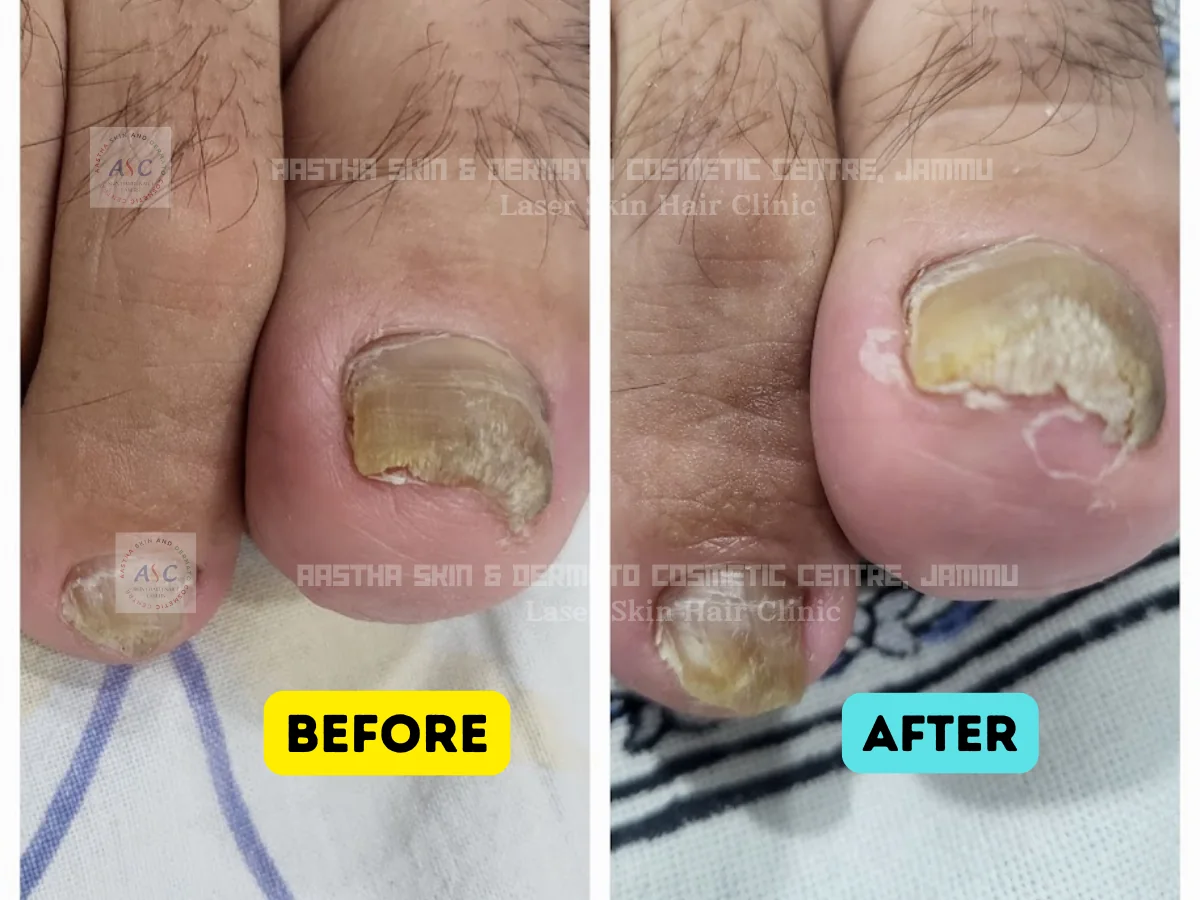
Fungal nail infection can make nails thick, discoloured, fragile, cracked or separated from the nail bed. Because injury and other nail diseases can look similar, testing may be recommended before long-term treatment.
Facial or beard-area infection
Fungal infection of the face or beard area may cause scaly patches, follicular bumps, crusting or pus-filled lesions. Hair-bearing areas can require oral treatment.
Recurrent fungal infection
A fungal infection may return because of incomplete treatment, ongoing exposure, infected family members, contaminated personal items, untreated foot or nail infection, unsuitable steroid-containing creams or resistant organisms.
How does fungal infection spread?
Ringworm can spread through:
- Direct skin-to-skin contact
- Contact with an infected family member
- Contact with an infected pet
- Shared towels, clothing or bedding
- Shared razors or personal-care items
- Locker-room or shower floors
- Sports equipment
- Close or intimate contact
- Spread from feet or nails to another body area
Warmth, sweating, tight clothing and damp skin can make fungal growth easier.
Is fungal infection caused by poor hygiene?
Not always. Anyone can develop a fungal infection.
Risk may increase with:
- Excessive sweating
- Hot and humid weather
- Tight or non-breathable clothing
- Shared towels or bedding
- Contact sports
- Barefoot exposure in shared showers
- Diabetes
- Reduced immunity
- Obesity and deep skin folds
- Infected household members
- Infected pets
- Nail or foot fungal infection
- Incomplete treatment
The condition should not be treated as something shameful. The useful goal is to identify the source, complete treatment and reduce reinfection.
Why does fungal infection keep coming back?
Recurrence may occur when:
- Treatment is stopped as soon as itching improves
- The medicine is not used for the advised duration
- A steroid-mixed cream masks the rash
- Several family members have untreated infection
- Towels or clothing are shared
- Foot or nail infection remains untreated
- Sweaty clothing is not changed promptly
- The diagnosis is incorrect
- The fungus is less responsive to commonly used medicines
- Oral treatment is taken irregularly
- The patient is repeatedly exposed at home, work or the gym
Emerging and antifungal-resistant dermatophyte infections are a growing concern, and persistent or severe ringworm may require testing and a revised treatment plan.
Why should steroid-mixed creams be avoided?
Steroid creams can suppress redness and itching temporarily without clearing the fungus. This may allow the infection to spread, become more inflamed and change appearance, making later diagnosis more difficult.
Combination creams containing an antifungal plus a potent corticosteroid can also cause skin thinning, stretch marks, acne-like eruptions, visible blood vessels and prolonged infection. The CDC advises avoiding steroid creams for ringworm or a rash that may be ringworm unless a qualified clinician has specifically advised otherwise.
Do not use steroid-containing “itch” or combination creams for a suspected fungal rash without medical advice.
How does Dr. Cheena Langer diagnose fungal infection?
The consultation may include:
- Examining the rash’s border, scaling and distribution
- Checking the scalp, feet, groin or nails when relevant
- Reviewing previous antifungal and steroid creams
- Asking whether family members have a similar rash
- Reviewing pet exposure
- Checking for diabetes or reduced immunity where relevant
- Assessing whether the infection is localised or widespread
- Considering eczema, psoriasis, allergy or bacterial infection
- Reviewing response to previous treatment
- Planning testing where necessary
Because fungal infection can resemble several other conditions, healthcare providers may take a skin scraping, hair sample or nail sample for examination.
Are tests always required?
No. Some typical, limited skin infections can be diagnosed clinically.
Testing may be more useful when:
- The diagnosis is uncertain
- Treatment has repeatedly failed
- The rash is extensive
- The scalp or beard is affected
- The nails are involved
- The patient has used steroid creams
- Resistant infection is suspected
- A different skin condition is possible
- Long-term oral treatment is being considered
Possible investigations include:
- Skin scraping
- Potassium hydroxide microscopy
- Fungal culture
- Nail clipping
- Hair examination
- Additional specialist testing in resistant cases
Testing can help avoid months of inappropriate treatment.
How is fungal skin infection treated?
Treatment depends on:
- Body area
- Severity
- Number of lesions
- Hair or nail involvement
- Previous treatment
- Age
- Pregnancy status
- Medical history
- Possible resistance
- Risk of reinfection
Treatment may involve:
- Topical antifungal cream, lotion, powder or shampoo
- Prescription oral antifungal medicine
- Treatment of infected feet or nails
- Management of secondary bacterial infection
- Advice for affected family members
- Measures to keep skin dry
- Review after treatment
Limited body, foot or groin ringworm may respond to topical antifungal treatment, while scalp and many nail infections generally require prescription oral therapy.
How long does treatment take?
Treatment duration varies by infection site and severity.
Superficial skin ringworm is often treated for several weeks. Scalp ringworm may require oral medication for one to three months, while fungal nail infection can take several months to clear because the nail must grow out gradually.
Patients should:
- Use medicine exactly as directed
- Complete the advised course
- Avoid stopping when itching first improves
- Return if the rash spreads or fails to improve
- Avoid sharing medication with another person
Incomplete or irregular treatment may contribute to persistent infection and recurrence.
Are oral antifungal medicines safe?
Oral antifungals can be effective, but they are not suitable for everyone.
Before prescribing, the dermatologist may review:
- Liver disease
- Kidney disease
- Pregnancy or breastfeeding
- Other medicines
- Drug interactions
- Previous reactions
- Alcohol intake
- Age and body weight
- Treatment duration
Certain oral antifungals can cause gastrointestinal symptoms, headache, rash or liver-related side effects. Monitoring may be advised depending on the medicine, duration and patient’s medical history.
Patients should not repeatedly purchase oral antifungals without medical supervision.
Diagnosis before medication
The clinic distinguishes fungal infection from eczema, psoriasis, allergy and bacterial rashes before planning treatment.
Dermatologist-led care
Treatment is planned under Dr. Cheena Langer, MBBS, MD Dermatology, Consultant Dermatologist.
Additional care and practical advice
Recurrent and steroid-modified infection care
Previous creams, incomplete courses, household spread and recurrence are reviewed rather than simply repeating the same medicine.
Testing when necessary
Skin scraping, nail testing or other investigations may be advised when the diagnosis is uncertain or treatment has failed.
Two Jammu locations
Fungal infection treatment is confirmed at both Karan Nagar and Paloura.
Prevention guidance
Patients receive advice on medication use, household spread, clothing, personal items and follow-up.
How care is planned
- Assessment comes before treatment selection.
- Options, limitations, aftercare and expected timelines are explained.
- The plan is adapted to diagnosis, skin type and medical history.
Choose a clinic in Jammu
Karan Nagar
Lane 2, Karan Nagar, near Amphalla Chowk, Jammu – 180005Doctor consultation:
Mon–Sat 11:00 AM–4:00 PM
Sun 11:00 AM–3:00 PM
Paloura Chowk
Top Paloura, opposite Government Senior Secondary School, Jammu – 181121Doctor consultation:
Mon–Sat 6:00 PM–8:00 PM
Sun 10:30 AM–12:00 PM
Frequently asked questions
Can fungal infection be treated with home remedies?
Home remedies such as vinegar, garlic, toothpaste, bleach, kerosene, lemon juice or strong antiseptics can irritate or burn the skin without reliably treating the infection.
They may:
- Worsen inflammation
- Cause contact dermatitis
- Create additional pigmentation
- Delay correct treatment
- Change the rash’s appearance
- Increase secondary infection risk
Keep the area clean and dry, but use evidence-based antifungal treatment rather than harsh household substances.
Should family members also be treated?
Family members with an itchy, scaly or spreading rash should be assessed.
Not every household member needs medicine automatically, but untreated infection in close contacts can contribute to repeated transmission.
Patients should avoid sharing:
- Towels
- Clothing
- Bedding
- Combs
- Hairbrushes
- Razors
- Nail clippers
- Sports equipment
Shared items should be cleaned and laundered regularly.
How can fungal infection be prevented?
Helpful measures include:
- Keep skin folds clean and dry
- Change sweaty clothes promptly
- Change socks and underwear daily
- Wear breathable clothing
- Dry carefully between the toes
- Wear sandals in shared showers
- Avoid sharing towels and personal items
- Wash hands after touching affected skin
- Clean reusable sports equipment
- Treat athlete’s foot and nail infection
- Have infected pets examined
- Complete the full treatment course
- Avoid steroid-mixed creams
These steps can reduce spread but do not replace prescribed treatment.
Can fungal infection affect children?
Yes. Children can develop body ringworm, scalp ringworm, athlete’s foot and other fungal infections.
Scalp ringworm may cause:
- Scaling
- Itching
- Broken hairs
- Round areas of hair loss
- Tender swelling
- Pus-filled lesions
Because scalp ringworm generally needs prescription oral medicine, parents should not rely only on antifungal shampoo or skin cream.
Children with tender scalp swelling, fever or pus should be assessed promptly.
Can fungal infection affect the nails?
Yes. Fungal nail infection may cause:
- Yellow, white or brown discolouration
- Thickening
- Crumbling
- Fragility
- Separation from the nail bed
- Debris beneath the nail
- Discomfort while walking
Not every thick or damaged nail is fungal. Trauma, psoriasis and other nail disorders can look similar, so testing may be useful before long-term treatment.
When should you consult a dermatologist?
Seek medical evaluation when:
- The rash is widespread
- It keeps returning
- Treatment has failed
- A steroid cream has been used
- The scalp or beard is affected
- Nails are involved
- Several family members are affected
- The rash is painful or pus-filled
- You have diabetes
- Immunity is reduced
- You are pregnant
- A child has scalp hair loss
- The diagnosis is uncertain
Persistent, severe or unusual infection may need testing for resistant dermatophytes.
When is urgent medical care required?
Seek prompt medical attention for:
- High fever
- Rapidly spreading redness
- Severe pain
- Significant swelling
- Drainage or pus
- Warm and tender surrounding skin
- Facial or eye involvement
- Extensive blistering
- Signs of secondary bacterial infection
Patients with diabetes or reduced immunity should seek earlier assessment when a foot or nail infection is worsening.
Get a clear plan for fungal infection
Request a consultation with Dr. Cheena Langer at Karan Nagar or Paloura Chowk.
Medical disclaimer: Results may vary from person to person. This content is for informational purposes only and does not substitute a consultation with a qualified medical professional. Dr. Cheena Langer, MD is a registered medical practitioner.