Find the cause before choosing a hair treatment
Consult Dr. Cheena Langer, MBBS, MD Dermatology, Consultant Dermatologist, for diagnosis-led hair fall treatment in Jammu.
Hair fall may result from genetics, illness, stress, nutritional factors, hormonal changes, autoimmune disease, scalp inflammation, medicines or damaging hair practices. Identifying the cause is essential because no single medicine, serum or procedure works for every form of hair loss.
Hair and scalp consultations are available at:
- Karan Nagar, near Amphalla Chowk
- Paloura Chowk, Top Paloura
- Book a Hair Consultation
What is hair fall?
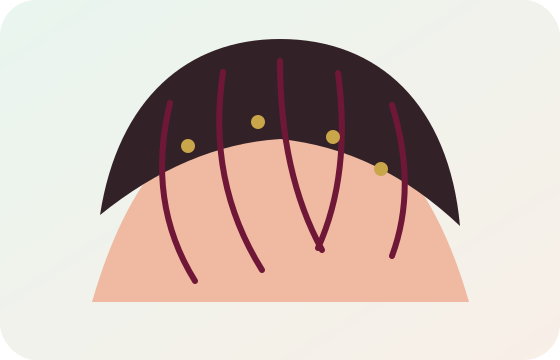
The medical term for hair loss is alopecia. Hair loss may appear as excessive shedding, gradual thinning, a widening hair part, a receding hairline, bald patches or loss of hair from other body areas.
Some daily shedding is normal. A noticeable change in density, scalp visibility, hairline position or the amount of hair falling out may indicate excessive shedding or another form of hair loss that deserves assessment.
What causes hair fall?
Possible causes include:
- Male or female pattern hair loss
- Telogen effluvium
- Alopecia areata
- Thyroid or hormonal conditions
- Nutritional deficiencies
- Iron deficiency
- Recent illness or surgery
- Significant emotional or physical stress
- Pregnancy and childbirth
- Scalp infection
- Dandruff or seborrhoeic dermatitis
- Scalp psoriasis
- Tight hairstyles
- Heat, chemical or traction damage
- Certain medicines
- Scarring inflammatory scalp disease
Because the causes differ considerably, treatment should be based on diagnosis rather than automatically starting supplements or procedures.
What is male pattern hair loss?
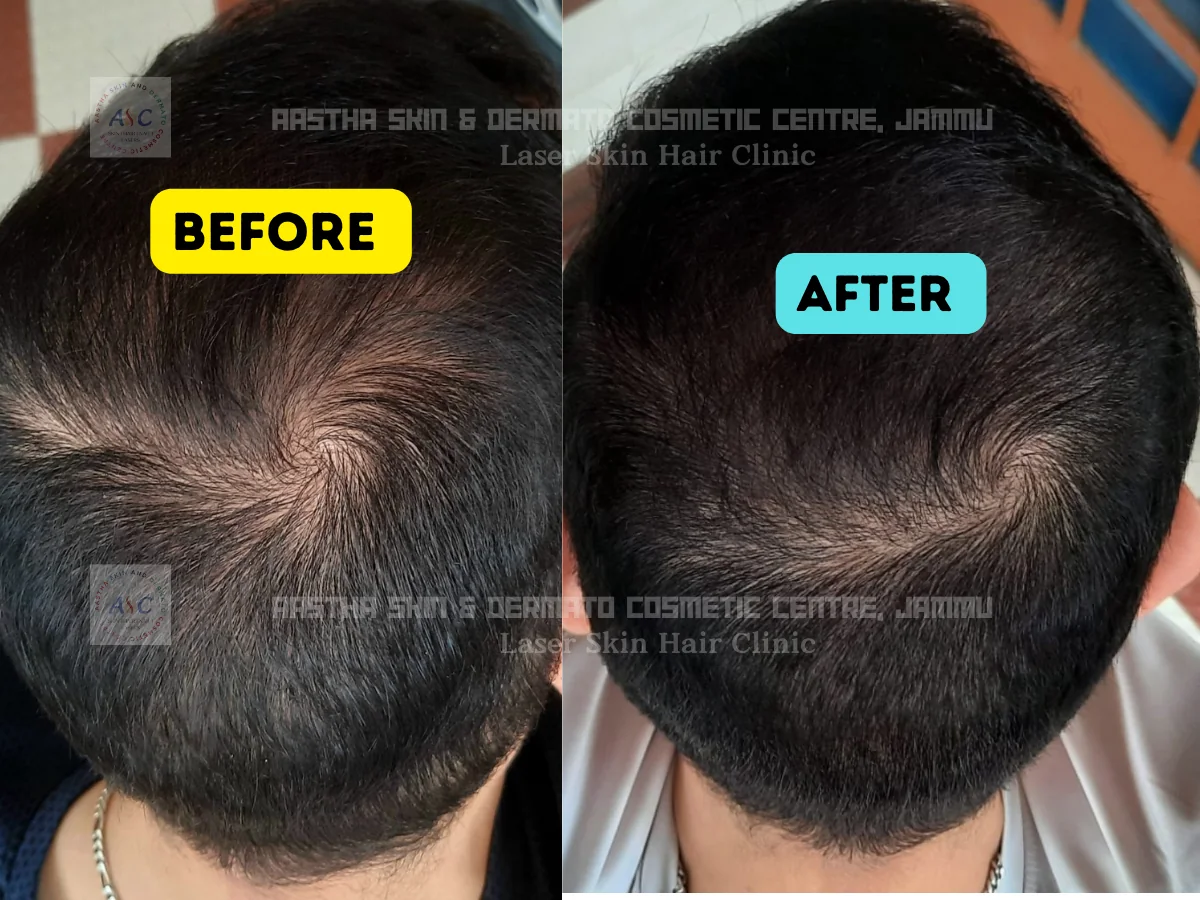
Male pattern hair loss, also called androgenetic alopecia, commonly causes:
- Recession at the temples
- A receding frontal hairline
- Thinning over the crown
- Gradual enlargement of a bald area
- Progressive reduction in hair thickness
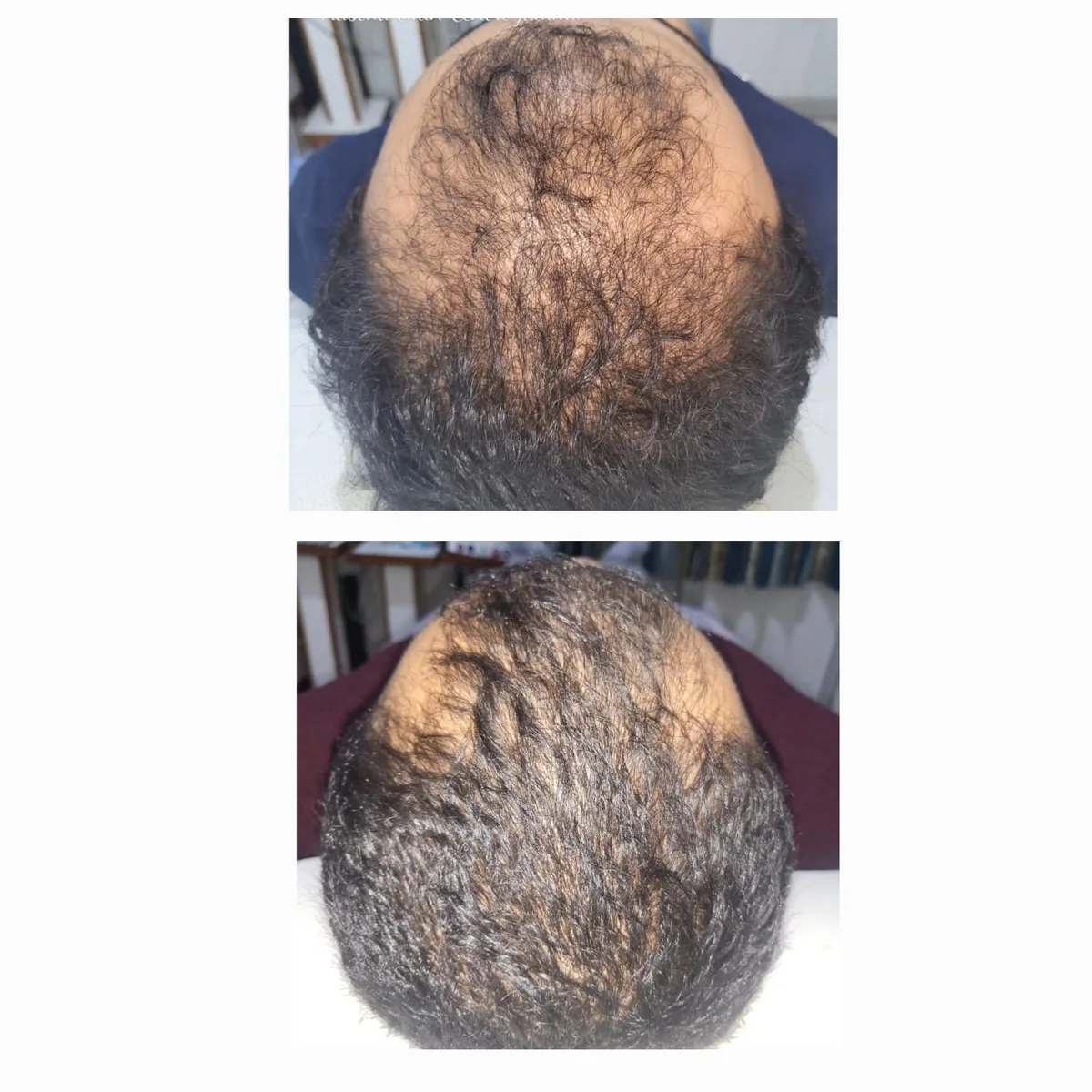
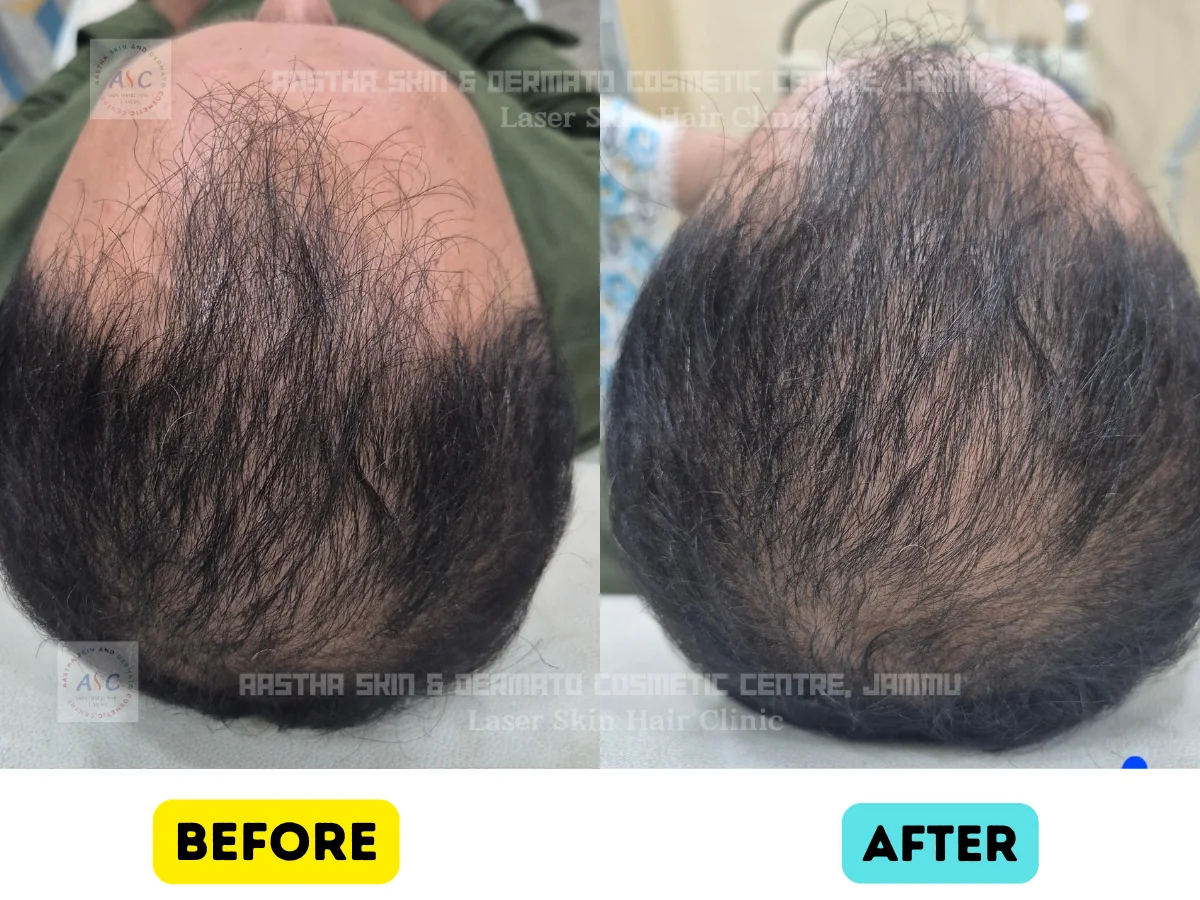
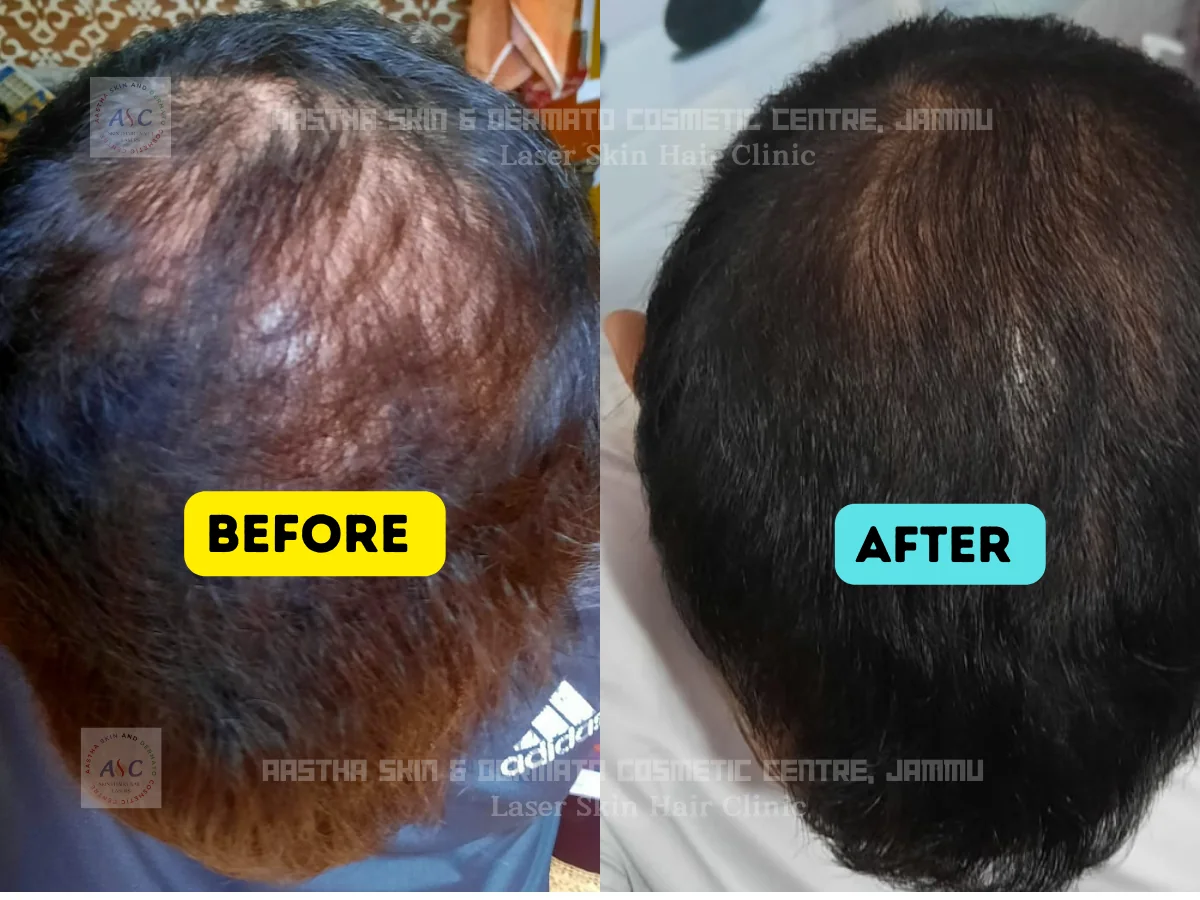
It develops when genetically susceptible follicles gradually become smaller and produce finer hair. Starting treatment earlier generally gives a better opportunity to preserve existing follicles.
Treatment may involve medically appropriate topical or oral medicines, procedural support or hair-transplant assessment. The selection depends on age, progression, general health, treatment goals and potential side effects.
What is female pattern hair loss?
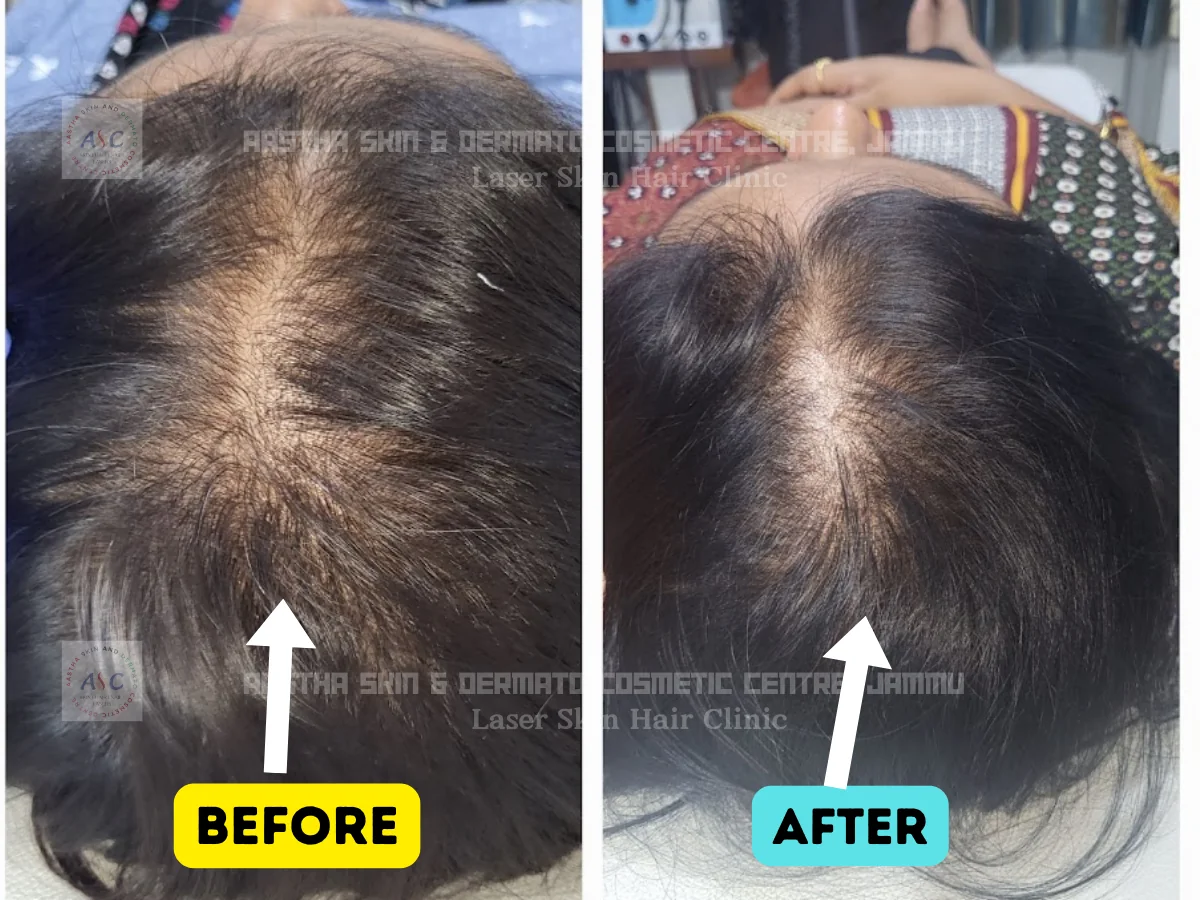
Female pattern hair loss commonly presents with:
- A widening central hair part
- Reduced ponytail thickness
- Diffuse thinning over the top of the scalp
- Greater scalp visibility
- Gradual thinning near the temples
It is progressive in many women, although the pattern and severity vary. Early treatment may help slow further thinning and support regrowth in suitable follicles.
Other conditions can resemble female pattern hair loss, so examination is important before treatment. Hormonal symptoms, nutritional factors, childbirth, illness and thyroid problems may also need consideration.
What is alopecia areata?
Alopecia areata is an autoimmune condition in which the immune system attacks hair follicles. It commonly causes smooth, round or oval bald patches but may sometimes produce widespread hair loss.
A dermatologist may examine the scalp and nails with a dermatoscope and recommend treatment based on the patient’s age, extent of hair loss and disease activity. Treatment options differ considerably between a few small patches and extensive alopecia areata.
Alopecia areata should not automatically be treated as nutritional hair fall or pattern baldness.
What is scarring alopecia?
Scarring alopecia is a group of conditions in which inflammation damages and permanently replaces hair follicles with scar tissue.
Possible signs include:
- Smooth areas without visible follicle openings
- Burning or scalp tenderness
- Persistent itching
- Redness around follicles
- Scaling
- Pustules
- Receding hairline with eyebrow loss
- Gradually enlarging patches
Once a follicle is permanently scarred, it cannot produce new hair. Early diagnosis may help control inflammation and prevent additional permanent loss.
Patients with painful, burning, inflamed or rapidly changing scalp loss should not delay dermatology assessment.
When should you consult a dermatologist for hair fall?
Book an assessment when you notice:
- Sudden or heavy shedding
- A widening hair part
- A receding hairline
- Bald patches
- Hair loss from eyebrows or eyelashes
- Scalp pain, burning or tenderness
- Significant redness or scaling
- Pus-filled scalp bumps
- Hair breakage
- Loss continuing for several months
- Hair fall with irregular periods or increased facial hair
- Hair loss after starting a medicine
- A strong family history of early baldness
Earlier assessment can be especially important for progressive and scarring forms of hair loss because preserving existing follicles may be easier than trying to restore follicles after permanent damage.
How does Dr. Cheena Langer assess hair fall?
A hair-loss consultation may include:
- Reviewing when the hair fall began
- Determining whether it was sudden or gradual
- Examining the pattern of thinning
- Checking scalp inflammation, scaling or infection
- Assessing hair breakage
- Reviewing recent illness, stress, surgery or childbirth
- Asking about medicines and supplements
- Reviewing menstrual and hormonal symptoms
- Discussing diet and weight changes
- Examining nails or other areas of hair loss
A gentle hair-pull test, magnified scalp examination or dermoscopy may provide additional diagnostic clues.
How is hair fall treated?
Hair fall treatment depends on the cause. A personalised plan may include:
- Treatment of the underlying scalp condition
- Correction of a confirmed deficiency
- Prescription topical medicines
- Prescription oral medicines
- Anti-inflammatory treatment
- Treatment for alopecia areata
- Changes in damaging hairstyles or hair practices
- PRP
- GFC
- Hair microneedling
- Scalp electroporation
- Hair-transplant assessment
- Follow-up photography or density monitoring
No single treatment works for every person, and some temporary forms of shedding may improve after the trigger resolves.
Types, options and detailed guidance
Is hair shedding different from hair loss?
Yes. Excessive shedding and progressive hair loss are not always the same problem.
Excessive hair shedding
Excessive shedding is often called telogen effluvium. It may develop a few months after:
- High fever or major illness
- Surgery
- Childbirth
- Significant emotional stress
- Rapid weight loss
- Major nutritional change
- Starting or stopping certain medicines
In many cases, shedding improves once the trigger settles, although a dermatologist should assess persistent or severe shedding.
Progressive hair loss
Progressive hair loss occurs when follicles gradually produce thinner hair or stop producing hair. Common examples include hereditary pattern hair loss, autoimmune hair loss, traction-related loss and scarring alopecia. Some types continue without appropriate treatment.
A person may have more than one cause at the same time, such as postpartum shedding together with early female-pattern hair loss.
Can dandruff cause hair fall?
Dandruff itself does not always cause permanent hair loss, but scalp inflammation, scratching and associated conditions may increase shedding or breakage.
A flaky or itchy scalp may be related to:
- Seborrhoeic dermatitis
- Scalp psoriasis
- Fungal infection
- Product irritation
- Contact allergy
- Folliculitis
- Other inflammatory scalp conditions
Treatment should address the actual scalp condition rather than repeatedly using random anti-dandruff products.
Are blood tests always required?
No. Not every patient with hair fall needs blood tests.
Tests may be considered when the history or examination suggests:
- Anaemia or iron deficiency
- Thyroid disease
- Nutritional deficiency
- Hormonal imbalance
- Autoimmune disease
- Infection
- Another medical cause
A scalp biopsy may be advised when scarring alopecia or an uncertain inflammatory condition is suspected.
Unnecessary testing should be avoided; investigations should be selected according to the patient’s symptoms and examination.
Which medicines may be used for pattern hair loss?
Depending on the diagnosis, a dermatologist may consider topical or oral medicines intended to reduce progression or support hair growth.
Medicine selection depends on:
- Type of hair loss
- Patient’s age
- General health
- Blood pressure or medical history
- Pregnancy plans
- Other medicines
- Potential side effects
- Expected benefits
Some treatments must be continued to maintain benefit. Results generally take months rather than days, and medicines should not be started, stopped or shared without medical advice.
What is PRP hair treatment?
Platelet-rich plasma, or PRP, is prepared from a patient’s own blood. After processing, the platelet-rich portion is injected into selected areas of the scalp.
PRP may be considered as supportive treatment for suitable patients with pattern hair loss. Reviews suggest that it can improve hair-density outcomes in some patients, but protocols and study quality vary, so it should not be presented as a guaranteed cure.
PRP is usually part of a broader plan that may also include medical treatment, scalp care and management of contributing factors.
What is GFC treatment for hair?
Growth Factor Concentrate, or GFC, is an autologous procedure prepared from the patient’s blood to obtain a concentrated growth-factor preparation.
GFC may be considered as supportive treatment after the cause and pattern of hair loss have been assessed.
It should not be promoted as:
- A permanent cure
- A replacement for diagnosis
- Suitable for every patient
- Able to revive permanently scarred follicles
- Guaranteed to prevent future hair loss
PRP and GFC hair treatments are listed as available at both Aastha Skin Centre branches.
Is PRP or GFC better?
There is no universal answer.
The decision may depend on:
- Hair-loss diagnosis
- Stage of follicle miniaturisation
- Previous response
- Scalp condition
- Existing medical treatment
- Patient preference
- Treatment protocol
- Cost and session plan
Neither procedure should be selected merely because it is newer or more heavily promoted. Diagnosis and overall treatment strategy matter more than the procedure name.
Diagnosis-led treatment
The plan begins by distinguishing shedding, pattern loss, autoimmune disease, scalp inflammation and scarring conditions.
Dermatologist-led care
Consultations are provided under Dr. Cheena Langer, MBBS, MD Dermatology, Consultant Dermatologist.
Professional focus in trichology
Dr. Cheena Langer’s professional record includes invited teaching and conference activity related to trichology, hair restoration, hair threads and hair-transplantation topics.
Additional care and practical advice
Medical and procedural options
The clinic provides medical hair-loss treatment alongside PRP, GFC, microneedling, scalp procedures and hair-transplant assessment.
Two locations in Jammu
Hair and scalp services are available at both Karan Nagar and Paloura.
Realistic expectations
The clinic does not promise instant regrowth, guaranteed density or one procedure suitable for every patient.
How care is planned
- Assessment comes before treatment selection.
- Options, limitations, aftercare and expected timelines are explained.
- The plan is adapted to diagnosis, skin type and medical history.
Choose a clinic in Jammu
Karan Nagar
Lane 2, Karan Nagar, near Amphalla Chowk, Jammu – 180005Doctor consultation:
Mon–Sat 11:00 AM–4:00 PM
Sun 11:00 AM–3:00 PM
Paloura Chowk
Top Paloura, opposite Government Senior Secondary School, Jammu – 181121Doctor consultation:
Mon–Sat 6:00 PM–8:00 PM
Sun 10:30 AM–12:00 PM
Frequently asked questions
What happens during PRP or GFC treatment?
A typical appointment may involve:
- Reviewing the scalp and treatment plan
- Drawing a small amount of blood
- Processing the blood according to the selected protocol
- Cleaning the scalp
- Injecting the prepared material into planned areas
- Providing aftercare instructions
Temporary discomfort, tenderness, swelling, pinpoint bleeding or a mild headache can occur.
Patients should tell the clinic about:
- Blood-thinning medicines
- Bleeding disorders
- Active scalp infection
- Significant medical conditions
- Pregnancy or breastfeeding
- Recent illness
- Previous reactions to procedures
How many PRP or GFC sessions are required?
The session plan depends on:
- Diagnosis
- Severity of thinning
- Treatment protocol
- Existing medical treatment
- Response to earlier sessions
- Maintenance needs
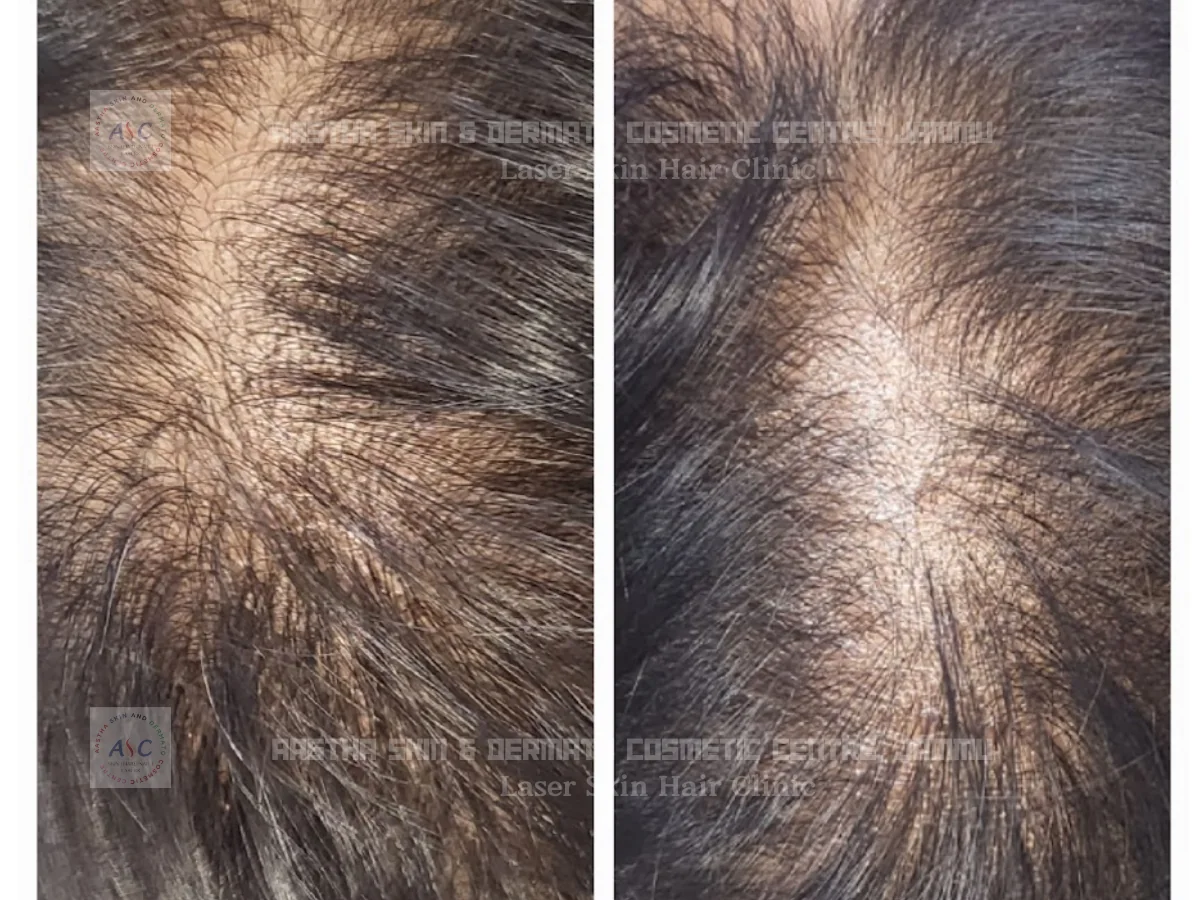
Several sessions may be advised, followed by review. Results should be assessed through consistent clinical photographs, scalp examination and changes in hair density rather than immediately after one appointment.
Can hair grow back completely?
The possibility of regrowth depends on the cause.
Hair may recover more fully after temporary shedding, illness or nutritional correction when the follicles remain healthy. Pattern hair loss can often be slowed and may show partial regrowth, but treatment does not recreate unlimited new follicles. Permanently scarred follicles generally cannot regrow hair.
Website claims should therefore focus on diagnosis, preservation and possible improvement, not guaranteed complete regrowth.
How long does hair treatment take?
Hair grows slowly, so treatment response usually takes months to assess.
Depending on the condition, improvement may involve:
- Reduced daily shedding
- Slower progression
- Finer new hairs becoming thicker
- Improved scalp health
- Greater density
- Stabilisation of a receding pattern
Patients should not judge a plan after only a few days or stop treatment abruptly without medical advice. Some therapies require ongoing use to maintain results.
Are hair supplements necessary?
Supplements may be useful when a relevant deficiency is confirmed or strongly suspected.
Taking high-dose supplements without assessment may:
- Fail to treat the real cause
- Delay diagnosis
- Cause side effects
- Interact with medicines
- Produce misleading laboratory results
- Add unnecessary expense
Hair loss caused by hereditary thinning, alopecia areata or scarring inflammation will not usually be corrected by vitamins alone.
Can stress cause hair fall?
Significant physical or emotional stress can trigger excessive shedding. The shedding often begins weeks or months after the event rather than immediately.
Possible triggers include:
- Major illness
- Surgery
- Bereavement
- Intense psychological stress
- Sudden weight loss
- Sleep disruption
- Childbirth
Stress-related shedding may improve, but persistent thinning can also reveal an underlying pattern-hair-loss condition.
Can tight hairstyles cause hair loss?
Yes. Repeated tension from tight hairstyles can cause traction alopecia.
Contributing styles or practices may include:
- Tight ponytails
- Tight braids
- Hair extensions
- Repeated use of heavy accessories
- Constant pulling at the same hairline
- Excessive heat or chemical processing
Early traction-related loss may improve after the damaging practice stops. Long-standing traction can permanently damage follicles.
Get a clear plan for hair fall
Request a consultation with Dr. Cheena Langer at Karan Nagar or Paloura Chowk.
Medical disclaimer: Results may vary from person to person. This content is for informational purposes only and does not substitute a consultation with a qualified medical professional. Dr. Cheena Langer, MD is a registered medical practitioner.